
The regenerative agriculture definition used here: a holistic land-management approach that uses photosynthesis to store carbon in soil while improving soil health. Wording varies widely, and results take a multi-year transition.
The label bundles practices such as reduced tillage, ground cover, rotation and managed grazing. This guide explains how they work together, how the approach differs from organic and sustainable farming, and what to expect from it. For the wider context, see our guide on how does biotechnology help the environment, which sits alongside this farming topic.
Definition and the soil-carbon mechanism
Green America defines regenerative agriculture as a holistic land-management practice that uses photosynthesis to sequester carbon in soil while improving soil health, crop yields, water resilience and nutrient density. Climate Reality describes it as a system of farming principles and practices that seeks to rehabilitate and enhance the whole farm ecosystem, with a premium on soil health. Both framings put the soil at the centre, and that is the practical test of whether a farm is regenerative.
The mechanism starts with the plant. Carbon taken in through photosynthesis ends up in the soil, where it is known as soil organic carbon and forms the main component of soil organic matter, according to Climate Reality. Soil with more organic matter has more water-holding capacity. Plowing and tillage, by contrast, erode soil and release carbon dioxide. Most regenerative practices therefore pursue the same two aims: keep living plants feeding the soil, and disturb it less.
Because definitions of regenerative agriculture vary widely, the term works best as shorthand for a set of practices and measured soil outcomes rather than a single fixed standard. When a product or farm uses the label, check which practices sit behind it.
The practices, in working order
The practices build on each other. The sequence below follows the logic of the soil: reduce damage first, then feed and diversify.
- Disturb the soil less. Low- or no-till practices let farmers minimize physical disturbance of the soil, and soil organic matter increases over time as a result. Minimizing disturbance is one of the core principles listed by FarmRaise.
- Keep the ground covered. Cover crops keep roots and leaf cover on the field between cash crops. Rotating crops and deploying cover crops strategically adds organic matter and reduces erosion and nutrient loss, per Climate Reality.
- Rotate and diversify crops. Crop rotation means planting different crops on the same plot over a few growing seasons, according to Arizona State University’s Ask a Biologist. Growing different plants in different rows also gives a more diverse field with fewer pest problems.
- Feed the soil and cut synthetic inputs. Green America lists spreading compost and moving away from synthetic inputs among the beginning steps, alongside cover crops, reduced tilling and rotation.
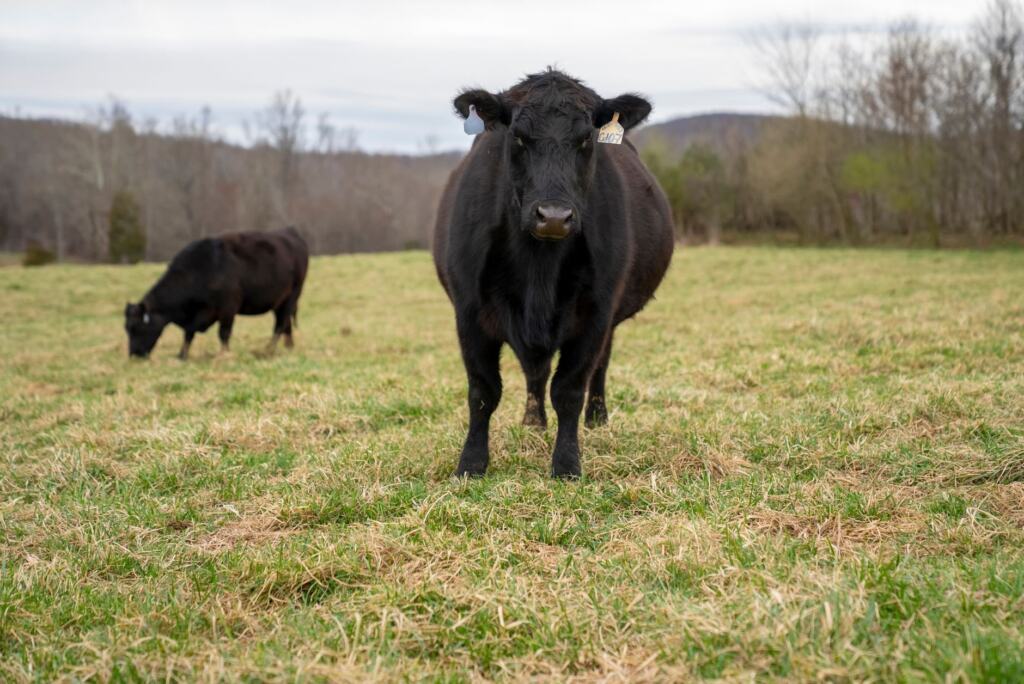
- Bring in livestock on a rotation. Rotational grazing is one of the core principles named by FarmRaise. Adaptive multi-paddock grazing, described by Green America, uses high livestock densities for short durations between long periods for the land to rest.
Moving to advanced systems
Green America places silvopasture, agroforestry and adaptive multi-paddock grazing in its advanced tier. These suit operations that already run the first four steps reliably, since they add trees, animals and grazing management on top of the soil basics. A farm still working out its tillage and cover-crop routine gains more from consolidating those steps first.
Regenerative, organic and sustainable farming compared
Regenerative farming is not a synonym for organic or sustainable farming. The three overlap in practice, but they aim at different things.
| Approach | What the evidence says it aims at | Planning use |
|---|---|---|
| Regenerative | Actively works to improve the land over time, using cover crops, reduced tilling, rotation, compost and less reliance on synthetic inputs | Choose it when the goal is rebuilding soil rather than holding steady |
| Sustainable | Aims to maintain current conditions | Fits a goal of avoiding further decline without a soil-improvement target |
| Organic | Not the same as regenerative, though organic and biodynamic farms have a head start; organic is one percent of global agricultural acres | An organic farm can add regenerative practices; a regenerative farm is not automatically organic |
The distinctions above draw on FarmRaise’s explanation of sustainable versus regenerative farming and Green America’s regenerative agriculture primer.
The practical reading: sustainable farming asks whether the land stays as it is, while regenerative farming asks whether it is getting better. Green America adds that all agriculture, including organic, can become more regenerative, so the two labels combine well. A buyer or farmer choosing between them should decide whether the priority is an input standard or a soil-improvement outcome.
Outcomes and limits
What improves
Climate Reality reports that regenerative practices increase soil biodiversity and organic matter, and that the resulting soils are more resilient to flooding and drought. The same source says the approach diminishes erosion and runoff, which improves water quality on and off the farm. The link back to carbon is direct: more organic matter means more water-holding capacity.
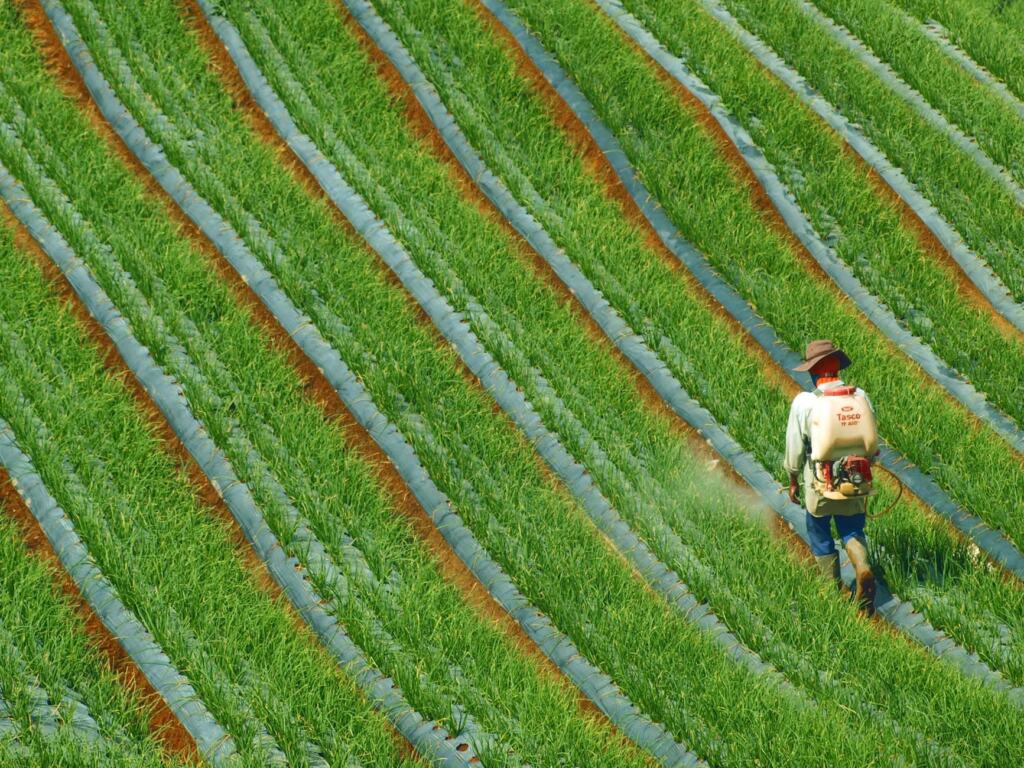
Input savings are also described. In Arizona State University’s illustration, farmers on a regenerative farm can increase their crop while using less pesticide and store-bought fertilizer. Treat this as a direction of travel, not a guaranteed yield gain. Carbon and yield results depend on the soil, climate and practices involved, so ask any claimant which measurements were taken and over what period.
Costs and timing
FarmRaise notes that farmers often face a multi-year transition before seeing results in soil health, and that cover crops or no-till equipment carry upfront costs. This is the main reason to phase adoption: start with the practice that fits the current equipment and cash position, then add others as soil improvements show up. Farms that need immediate returns from every field are the ones most exposed during the transition.
Related sustainability topics
Farming is one part of the wider sustainability picture. Readers following the clean-energy side can continue with Green Hydrogen Storage: Practical Solutions, Safety, And Economics For 2026-Ready Systems – Biolifetechnologies and Green Hydrogen Vs Blue Hydrogen: Which Clean Fuel Wins In 2026 — Costs, Emissions, And Real-World Uses – Biolifetechnologies.
Frequently asked questions
How many definitions of regenerative agriculture exist?
An AgDaily column documents more than 200 individual definitions, which is why practices and measured outcomes are a safer guide than the label alone.
How long can soil carbon stay stored?
Climate Reality says carbon can remain stored in soils for thousands of years, but tillage can release it quickly, so keeping the soil undisturbed protects the gains.
What are silvopasture and agroforestry?
Green America describes silvopasture as the intentional combination of trees, forage plants and livestock together, and agroforestry as restoring trees and tree crops on farms.
Does growing a mix of crops help with pests?
Arizona State University’s Ask a Biologist says growing different plants in different rows makes a more diverse field with fewer pest problems.