| Biotech route | Lifecycle evidence | Planning use |
|---|---|---|
| Biodiesel from waste grease | 86-percent greenhouse gas reduction in EPA’s 2010 Renewable Fuel Standard analysis | The strongest case in this comparison. Favour waste-based feedstocks when a fuel claims to be green. |
| Soy biodiesel | 57-percent average reduction versus fossil diesel | A clear gain on average, but check whether land-use change is counted in the figure. |
| Corn ethanol from a natural-gas-powered plant | 21-percent reduction versus gasoline | A modest gain. The figure applies to that plant type, so it does not transfer to every ethanol supply chain. |
| First-generation biofuels overall | Lower emissions than fossil fuels on average if no land-use change is involved; reductions for most feedstocks fall short of EU Renewable Energy Directive requirements | Treat as a conditional improvement, not a default one. |
| Algal (third-generation) biofuels | Current greenhouse gas emissions higher than fossil fuels; not a feasible option at the present state of development | Follow as research. Do not count on it for near-term emission cuts. |
The biodiesel and ethanol percentages come from EPA’s 2010 Renewable Fuel Standard analysis as summarised by the farm-energy extension service, and the generation-level findings come from a peer-reviewed review of biofuel life cycle studies.
How does biotechnology help the environment? Mainly by replacing some fossil fuel with biofuels and by protecting crops with fewer sprays, but the size of the gain depends on feedstock, land use and production process.
The sections below separate fuels, algae, crops, materials and land so you can start where your question sits. If crop biotechnology is your priority, the guide to Examples Of Biotechnology In Agriculture: 7 Real-World Innovations Transforming Food Production In 2026 – Biolifetechnologies shows how the tools are used in practice.
Choosing where to start
Biotechnology is a set of very different tools, so the first useful step is matching your question to the route that answers it. Fuels, crops, plastics and contaminated land each rest on their own evidence and carry their own caveats.
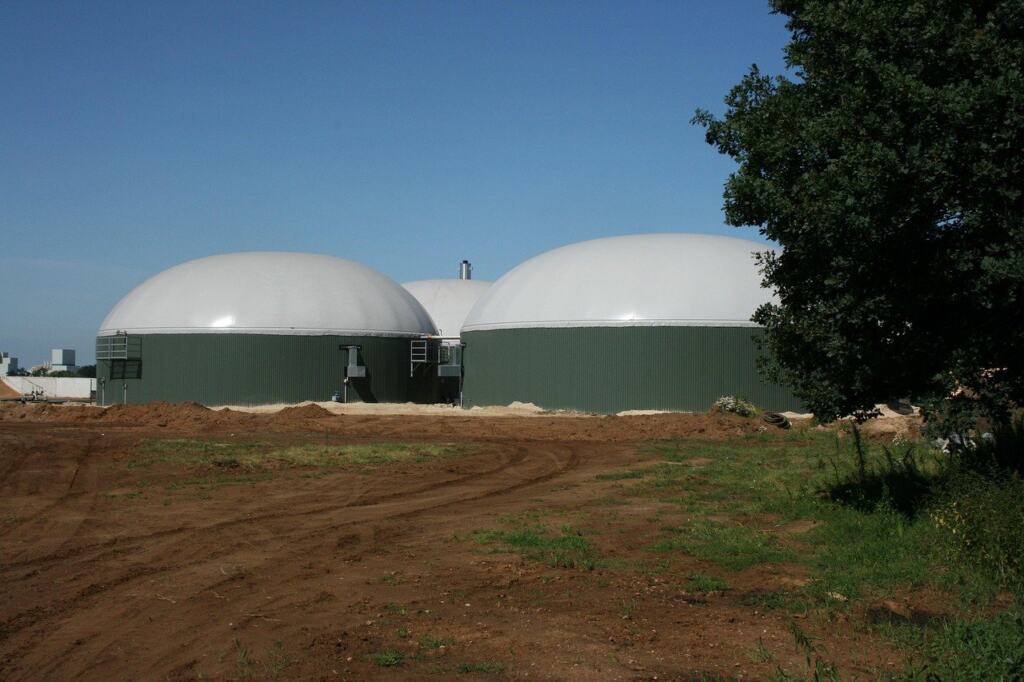
Transport fuel and emissions
Begin with the lifecycle sections below if you want to know whether biofuels cut greenhouse gases. The answer is conditional, and the condition is usually the feedstock rather than the fuel label. For the most speculative end of the field, the guide to algae biofuel explains how it is made and whether it can scale.
Farming and food production
Start with the GMO crop section if your question is about pesticides and crop losses. It is the shortest route to what a regulator says these crops do for farms and for the wider environment.
Plastics and waste
Material questions are a separate decision from fuels. Read What Are Bioplastics? A Clear Guide To Types, Benefits, And Limits (2026) – Biolifetechnologies if you want to compare types and limits. Read Is Plastic Biodegradable? A Clear, Up-To-Date Guide For 2026 – Biolifetechnologies if the question is whether a particular plastic breaks down at all.
Contaminated land and soil carbon
Biological tools for land sit apart from fuels and crops. If you are asking what is phytoremediation, the guide to what is phytoremediation covers which plants clean contaminated soil. For soil and carbon storage, the explainer on what is biochar describes how it works.
How biotechnology helps sustainability: the transport case
Biotechnology helps sustainability most visibly in transport, where biological feedstocks can stand in for fossil fuels. The scale of the problem explains the focus. A peer-reviewed review of biofuel life cycle studies reports that transport is responsible for 15% of the world’s greenhouse gas emissions and 23% of energy-related CO2 emissions.
The same review shows how little of that fuel is biological. Fossil fuels accounted for 96.3% of all transportation fuels in 2018, while biofuels made up about 3.4% of total transportation fuels worldwide. Biodiesel output grew more than threefold between 2008 and 2018, from 12 to 41 billion litres, so the sector has expanded quickly from a small base.
That combination sets the right expectation. Biofuels are a partial substitute, not a wholesale replacement, and their benefit is the per-litre saving multiplied by a still-modest share of supply. A fuel with a large percentage saving still contributes little if it covers a small slice of demand. A fuel with a small saving can even do net harm once other impacts are counted, which is why the lifecycle evidence matters more than the label.
Are biofuels really greener? The lifecycle evidence
Biofuels are sometimes greener, and which cases qualify depends on the feedstock, the production process and whether new land was converted to grow the crop. Government energy and environment agencies reach the same cautious position.
What government analyses conclude
The US Environmental Protection Agency says replacing fossil fuels with biofuels has the potential to reduce some undesirable environmental impacts. It also warns that, depending on the feedstock and production process, biofuels can emit even more greenhouse gases than some fossil fuels on an energy-equivalent basis. EPA lists land and water requirements, and air and groundwater pollution, among the drawbacks.
The US Energy Information Administration is somewhat more favourable in tone. It states that biofuel production and consumption generally have fewer negative effects on the environment than fossil-derived fuels. It then adds that the net CO2 effect depends on how the biofuels are produced, including emissions from cultivating the cropland.
Read together, the two agencies agree on structure rather than on a headline number. The default assumption should be a conditional benefit that you can lose through poor feedstock choice.
Why feedstock decides the result
The peer-reviewed review finds that, if no land-use change is involved, first-generation biofuels can, on average, have lower greenhouse gas emissions than fossil fuels. It also finds that the reductions for most feedstocks are insufficient to meet the savings required by the EU Renewable Energy Directive. Second-generation biofuels have, in general, a greater potential to reduce emissions, again provided there is no land-use change.
Waste-based inputs are the standout. EIA notes that waste or used cooking oil, animal fats and grease have relatively low carbon intensities as feedstocks, because only the transport after collection is counted. That matches the 86-percent figure for waste-grease biodiesel in the table above, and it points to a practical rule. When you compare two fuels, ask what the feedstock was before you ask what the fuel was.
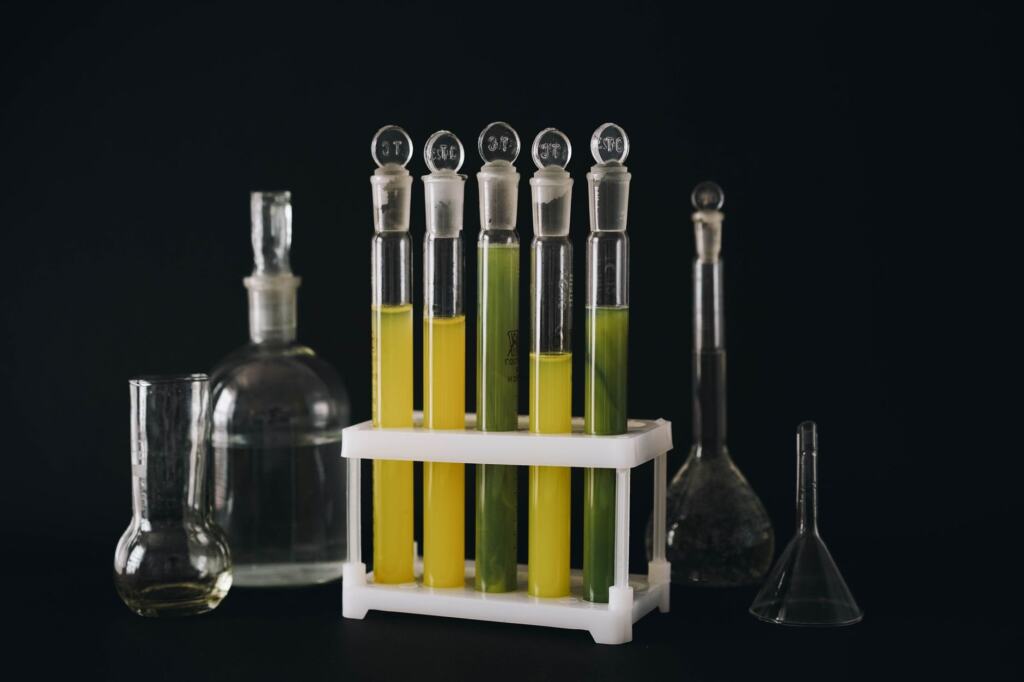
Land-use change can reverse the gain
Land use is the single largest source of disagreement between studies. The farm-energy extension summary reports an NREL analysis from 1998 that found a 78.45 percent net CO2 reduction from soybean-based biodiesel, and that figure excludes indirect land-use change. EPA’s later 2010 analysis gives a 57-percent average reduction for soy biodiesel, so the headline for the same fuel shifts with the study and with what is counted.
The same summary cites a 2008 analysis in which indirect land-use change turned an expected 20-percent saving from corn-based ethanol into emissions that nearly double over 30 years. That is a single cited result and not a universal rule. It shows why a lifecycle figure without a land-use assumption cannot be taken at face value. If a biofuel is grown on land that was already in production and displaces little else, the saving is more likely to hold. If it pushes cultivation onto new land, the saving can disappear.
Trade-offs beyond carbon
The review also cautions that reductions in greenhouse gas emissions from biofuels are sometimes achieved at the expense of other impacts. It names acidification, eutrophication, water footprint and biodiversity loss. Greenhouse gases are the most-quoted metric but not the only one that affects water, soil and habitat.
The practical consequence is that a fuel can win on carbon and still be the wrong choice for a water-stressed region or a sensitive catchment. For local decisions, weigh carbon against the impact most pressing where the crop would be grown.
Algae: promise and present limits
Algae are the most appealing and least proven feedstock in the field. They attract interest because they can be cultivated in tanks and tubes rather than on farmland, which in principle sidesteps the land-use problem that undermines some crop-based fuels. EPA identifies algae among the newer feedstocks that technology advances opened up.
The evidence on present performance is sobering. The peer-reviewed review concludes that third-generation biofuels do not represent a feasible option at the present state of development, because their current greenhouse gas emissions are higher than those of fossil fuels. That is a statement about today’s processes, not a verdict on the biology.

For a reader choosing where to put attention, the judgement is simple. Treat algal fuels as a research story, and follow their progress through a dedicated explainer on algae biofuel instead of counting on them in a near-term emissions plan. Waste-based and non-food feedstocks are the better-supported choices today.
Are GMO crops good for the environment?
GMO crops can be good for the environment where the trait removes an environmental cost, such as repeated pesticide spraying, but the benefit is trait-specific and not automatic. The US Food and Drug Administration explains that most GMO crops grown today were developed to help farmers prevent crop loss.
The clearest environmental mechanism the FDA describes concerns insect-resistant crops. Because the plant protects itself, farmers can apply fewer spray pesticides to protect the crops. Fewer passes with a sprayer means less pesticide entering the field and its surroundings. The FDA describes this as a reduction in spray applications and not as a fixed percentage saving, so the size of the benefit varies with the crop and the trait.
Preventing crop loss is itself an environmental argument, because lost harvests waste the land, water and fertiliser already spent growing them. That reasoning is general and it does not say that every GMO trait delivers an environmental gain. The fair position is that each trait should be judged on what it displaces and what it enables.
Crop biotechnology also connects to wider farming systems. For a broader view of how soil-focused practices fit alongside genetic tools, see Regenerative Agriculture Explained: A Practical Definition And Why It Matters In 2026 – Biolifetechnologies. For growing food in controlled indoor systems, What Is Vertical Farming? The Complete 2026 Guide To Growing Upwards For Urban Food Security – Biolifetechnologies explains the concept, and Vertical Farming at Home: A Practical 2026 Guide to Growing More Fresh Food in Less Space – Biolifetechnologies covers it at household scale. For protein made by microbes rather than animals, What Is Precision Fermentation? The Practical Guide to Making Animal-Free Proteins in 2026 – Biolifetechnologies is the place to begin.
Biodegradation: where it helps and where it does not
Biodegradation is useful when a material or fuel is spilled or discarded, but it is a property to verify and not a guarantee of environmental benefit. EIA notes that pure ethanol and biodiesel are nontoxic and biodegradable, and that if spilled they break down into harmless substances. That is a real advantage over many petroleum products in the event of an accident.
Breaking down safely after a spill is a different question from the emissions a fuel causes over its lifecycle. A biodegradable fuel that is grown on newly cleared land can still be a poor climate choice, and a fuel that degrades well can still carry the air and water trade-offs described earlier. Keep the two assessments separate when you compare options.
The same caution applies to materials. A plastic described as bio-based, biodegradable or compostable makes three different claims, and each has its own conditions. The guides to bioplastics and to whether plastic is biodegradable linked earlier are the right places to test those claims one at a time.
Related low-carbon routes to compare
Biofuels are one of several ways to cut transport and industrial emissions, and it helps to see them next to non-biological options. Hydrogen is the most common comparison. Green Hydrogen Energy: The Practical Guide To Production, Use, And Scale-Up In 2026 – Biolifetechnologies gives the overview, and Green Hydrogen Electrolysis: How Clean Hydrogen Is Made And Why It Matters In 2026 – Biolifetechnologies explains how it is produced.
Storage and cost shape whether hydrogen is practical, which is the subject of Green Hydrogen Storage: Practical Solutions, Safety, And Economics For 2026-Ready Systems – Biolifetechnologies. To see how it differs from fuel made from natural gas, read Green Hydrogen Vs Blue Hydrogen: Which Clean Fuel Wins In 2026 — Costs, Emissions, And Real-World Uses – Biolifetechnologies. Where emissions come from fixed industrial sources and not from vehicles, Carbon Capture And Sequestration Technology: Practical Guide To Cutting Emissions In 2026 – Biolifetechnologies covers the engineered alternative.
Weighing the benefits and trade-offs
The evidence supports different levels of confidence for different routes. Ranking them by how firmly they are supported is more useful than ranking them by enthusiasm.
- Waste-based biofuels: the best-supported case, because low-carbon feedstocks and large measured reductions point the same way. They suit anyone who wants a fuel claim that holds up.
- Crop-based biofuels: a conditional benefit that depends on land-use change and on which impacts you count. They suit cases where the feedstock is grown on existing farmland and water and biodiversity effects are acceptable locally.
- GMO crops with insect resistance: a documented route to fewer spray applications according to the FDA. The benefit varies by crop and trait, so judge it case by case.
- Algal fuels: a research priority and not a present-day solution, given current emissions that exceed those of fossil fuels.
- Biodegradable fuels and materials: helpful in the event of spills or disposal, but separate from lifecycle emissions.
EPA’s own review conclusions show why this matters. Biofuel effects across the reviewed environmental categories have been mixed, and a technology that looks green on one measure can look weaker on another. Biotechnology does help the environment, but it works best when it is chosen for a specific problem and checked against a specific lifecycle.
Frequently asked questions
Do biofuels reduce air pollution when burned?
Often, with exceptions. EIA reports that pure biofuels generally produce fewer emissions of particulates, sulfur dioxide and air toxins than their fossil-fuel counterparts. Burning biodiesel may produce slightly higher nitrogen oxide emissions than petroleum diesel, and ethanol blends have higher evaporative emissions from fuel tanks and dispensing equipment.
What have EPA’s reviews of biofuel impacts concluded?
EPA’s first triennial report, in 2011, concluded that the environmental impacts of increased biofuel production and use were likely negative but limited. The third report, in 2025, found that the Renewable Fuel Standard likely had modest negative impacts on many of the environmental effects reviewed.
Are cellulosic biofuels a lower-input option?
Yes, on the inputs EIA names. Cellulosic feedstocks require less cultivation, fertilizer and pesticides than corn or sugar cane, according to EIA. Commercial production remains limited.
Which GMO traits are most common?
The FDA lists insect resistance, herbicide tolerance and virus resistance as the three most common traits in GMO crops grown today, all aimed at helping farmers prevent crop loss.