| Aspect | What is supported | Planning use |
|---|---|---|
| Host microbes | Yeast or bacteria convert sugars or carbohydrates into other compounds | Ask which organism makes the ingredient before comparing products. |
| Feedstock | Raw ingredients range from sugar to food waste | Treat the feedstock as a variable when judging environmental claims. |
| Process control | Temperature, pH, nutrient supply and other parameters are controlled | Expect a reliable producer to explain how these are managed. |
| Whey yield | In the Perfect Day assessment, engineered whey protein was 21.7% of biomass per batch and 78.3% was co-product | Ask what happens to the non-whey biomass. |
| Energy | The bioreactor runs on electricity; impact may be lower than animal food only where renewable energy is used exclusively (VRG’s reading) | Favour production tied to renewable power. |
These points draw on the Lever Foundation overview of precision fermentation and the Vegetarian Resource Group review of the Perfect Day life cycle assessment.
What is precision fermentation? It uses microbial hosts in controlled tanks to produce specific compounds, such as protein ingredients, from economical feedstocks. Whether it beats animal farming environmentally depends largely on the energy source.
This guide treats one technology within the broader question of how does biotechnology help the environment, and it starts with the consequences before walking through the mechanism.
Environmental effects and what they depend on
Precision fermentation is not automatically greener than animal agriculture. The Vegetarian Resource Group reads the Perfect Day assessment as showing that animal-free whey may only cause less environmental impact than food from animals where renewable energy sources are used exclusively. A life cycle assessment, in the same source’s words, is a systematic analysis of all the environmental impacts of a product, material, process or service.
Energy source decides the result
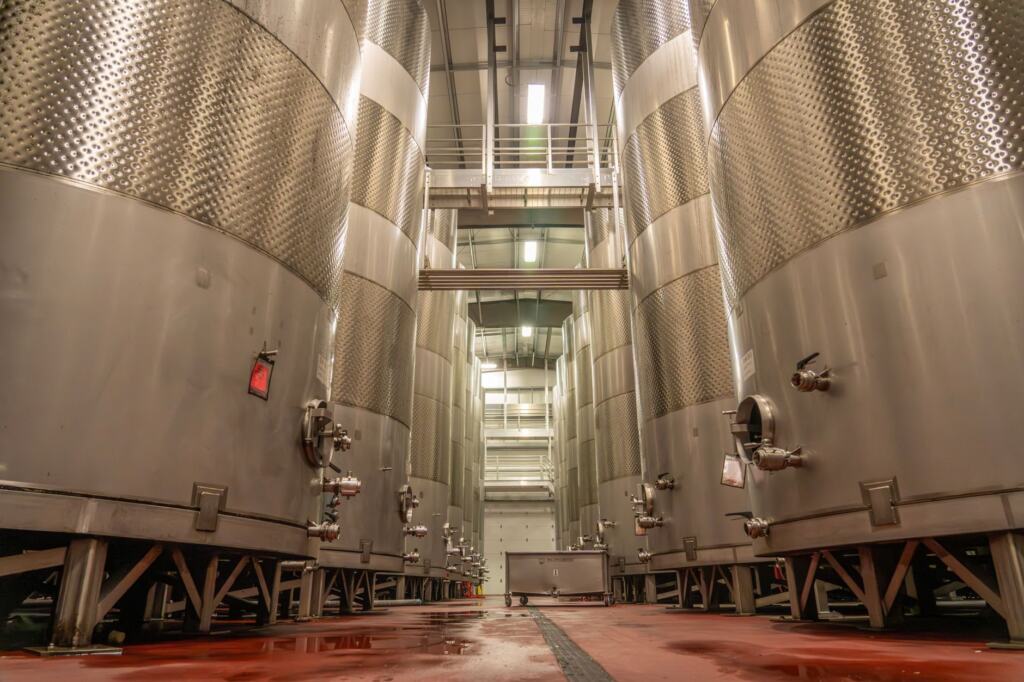
The whey in that assessment was made in a bioreactor, a fermentation tank, running on electricity. That makes the power supply the first thing to check. A producer that can show renewable electricity for the fermentation step has a much stronger case than one that cannot, because the condition attached to the favourable result is exclusive use of renewable energy.
What the Perfect Day assessment covers
The study was dated August 2021 and labeled Version 1, and it was a cradle-to-grave assessment. It was completed by an independent lab but had not been peer-reviewed, according to the VRG review. Its boundaries also matter: it did not include the resource needs and environmental impacts embedded in infrastructure, and it left out the energy needed to grow the components of the growth media, including energy-intensive fertilizers and pesticides.
Those exclusions mean the result describes one early whey product under stated conditions. Use it as an indicator, not a verdict on the whole field, and look for newer, peer-reviewed work before quoting a headline comparison.
The co-product share
Engineered whey protein made up only 21.7% of the biomass produced in each batch from the bioreactor, leaving 78.3% as co-product. The assessment discussed uses for that remainder, with suggestions including pet food, fertilizer, pharmaceuticals or leather alternatives. Because most of each batch is not whey, the fate of the remainder shapes how fairly the footprint of the whey itself can be judged.
Decisions this changes
- Buyers and product developers: request the energy sourcing for the fermentation step before accepting a sustainability claim.
- Anyone citing studies: state the study’s date, version and exclusions alongside any impact figure.
- Producers planning co-product use: a documented outlet for the non-whey biomass strengthens an impact case.
- Readers focused on emissions in general: Carbon Capture And Sequestration Technology: Practical Guide To Cutting Emissions In 2026 – Biolifetechnologies covers a different route to lower emissions.
Products made this way
People have long used microbial fermentation to produce food and beverage products such as bread, beer, cheese and yogurt, as the Lever Foundation notes. Precision fermentation applies the same idea with tighter control and a narrower target: a specific protein ingredient rather than a fermented food as a whole.
The supported examples show how varied the outputs are:
- Animal-free whey protein: Perfect Day was one of the first companies to introduce precision-fermented animal-free whey, and its production chain is the best-documented one for environmental questions.
- Mycelium meat alternative: New Singularity is a biotech company that uses both biomass and precision fermentation to produce mycelium as a meat alternative, so it targets meat substitutes rather than dairy proteins.
- Real animal proteins in China: Lever describes Blue Canopy as the first company in the country to produce real animal proteins from precision fermentation.
When comparing products, check what the ingredient is meant to replace. A whey ingredient and a mycelium-based meat alternative come from different production logic, so a sustainability result for one does not carry over to the other. For wider examples of biotechnology in food production, see Examples Of Biotechnology In Agriculture: 7 Real-World Innovations Transforming Food Production In 2026 – Biolifetechnologies.
How a gene becomes an ingredient
The TCGCREST research summary describes precision fermentation as using microbial hosts to produce specific compounds in high yield from economical feedstocks. Following one gene through the chain shows where each of the trade-offs above arises.
Gene insertion into the host
The chain begins in a lab, where animal genes are inserted into microbial genetic material. This recombinant DNA step gives the microbe the instructions for the target protein, such as whey protein. The microbial strains themselves, whether bacteria, yeast or fungi, are engineered or discovered for optimized production. Yeast and bacteria are the hosts named in the Lever description, where they convert sugars or carbohydrates into other compounds.
The Lever Foundation compares the whole arrangement to a mini-factory in which microorganisms work to produce specific protein ingredients. The practical point is that the host is part of the product design: the choice of strain determines what the fermentation can deliver.
Feedstock
Production starts from basic raw ingredients that range from sugar to food waste. Feedstock choice therefore affects both cost and environmental profile, and it is one of the questions to put to any producer. The Perfect Day assessment left out the energy used to grow components of the growth media, so feedstock impacts are a gap in that particular study.
Bioreactor and process control
Fermentation takes place in a bioreactor. Precision fermentation uses technology to control the process, including temperature, pH and nutrient supply. TCGCREST lists refining these conditions among the steps that maximize yield and efficiency, alongside strain development.
For a buyer or analyst, this means the quality of control equipment and process know-how is as important as the gene. A well-chosen strain in a poorly controlled tank will not deliver the yield that an economic or environmental case assumes.
Frequently asked questions
How does precision fermentation differ from traditional fermentation?
Traditional fermentation gives foods such as bread, beer, cheese and yogurt. Precision fermentation uses controlled conditions to make a specific protein ingredient with an engineered or selected microbe.
Which microbes are used?
Sources name yeast, bacteria and fungi as the microbial strains engineered or discovered for production. Yeast and bacteria convert sugars or carbohydrates into other compounds.
Is animal-free whey made by cows?
No. An animal gene is inserted into microbial genetic material in a lab, and the whey is then manufactured in a bioreactor running on electricity.