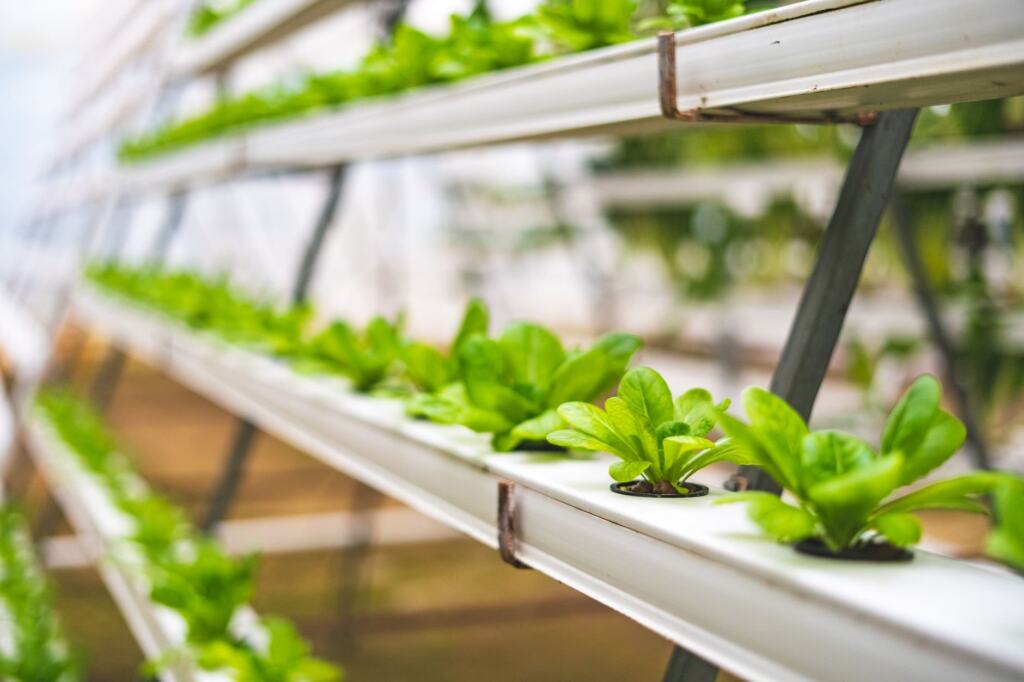
| Effect | What is supported | Planning use |
|---|---|---|
| More plants per area | Vertical growing can hold significantly more plants than the same ground area | Judge your room by usable wall or shelf height, not only by floor area. |
| Flexible placement | Works on balconies, terraces, courtyards and greenhouses, as well as indoors | Choose the spot you can reach and water easily before choosing a system. |
| Shading between layers | Stacked layers can shade the plants below; supplemental LED grow lights are the usual fix | Plan lighting for the lower tiers from the start if the site is dim. |
| Water use | Less water overall than traditional beds, but watering is needed frequently | Pick a layout you can water on a regular routine, or add drip irrigation. |
| Cost and energy | Main challenges are high initial costs and energy for lighting and climate control; setup costs vary | Start simple and add lighting or climate gear only when the site demands it. |
These effects are drawn from a DIY guide to vertical farming and an overview of vertical farming benefits and challenges.
Vertical farming at home means growing fruit, vegetables or herbs upwards rather than outwards, and it suits balconies, terraces and indoor spaces. The main condition is light: stacked layers shade each other, so plan lighting and watering before you buy.
Growing food efficiently in a small footprint is one part of a larger sustainability story. The Sustainable Biotechnology hub looks at how does biotechnology help the environment in more depth.
What it means for space, water and cost
Space and placement
Because plants are stacked, a modest wall or corner can carry far more plants than a row of pots on the floor. A DIY gardening guide notes that vertical farming works on balconies, terraces, courtyards and greenhouses as well as indoors. Home setups range from small herb and vegetable gardens to larger installations, according to an overview of vertical gardening. Your decisions follow from that range:
- Small balcony or windowsill: keep to a compact tower or a few stacked containers and grow herbs and salad leaves.
- Sheltered outdoor wall: a wall that is easy to reach and somewhat sheltered is the better choice, and it keeps frost-tolerant crops going into autumn and winter.
- Indoor corner: treat lighting as part of the build, because daylight alone may not reach every layer.
Watering demands
Vertical systems use less water overall than traditional beds, but they need watering frequently. The reason is the small volume of substrate in each container: regular watering matters even more, and drip irrigation is a common way to automate it. If you are away often, plan for automation or choose a system that recirculates water.
What a home vertical farm costs
No single price applies. Setup costs are variable and can be substantial, especially for high-tech setups, and the main challenges are high initial costs plus the energy that lighting and climate control consume, as the vertical farming overview explains. For a first project, spend on the parts that decide whether plants survive, such as a reachable site, reliable watering and enough light, and delay the extras. A modest build teaches you what your space actually needs before you commit to powered equipment.
DIY build or ready-made kit
The choice depends on how much building you want to do and how much of the system you want ready-made. Both routes are well established, and home vertical gardens and DIY hydroponic systems are becoming increasingly popular.
- DIY builds: a DIY guide lists gutter pipes or plant boxes mounted in multiple rows on a wall, stacked crates and pallets. These suit people who want to fit an awkward wall or balcony exactly and are happy to sort out watering themselves.
- Ready-made kits: the same guide lists hydroponic towers, stackable pots, troughs and hanging baskets. These suit anyone who wants a defined structure and a quicker start, and a tower is the form to look at if you want to try hydroponics.
- Deciding factor: choose the option whose watering you can keep up with. Costs vary widely and climb with technology, so a simple build or a basic stackable kit is a sensible way to start.
Many DIY builds reuse plastic containers, so it helps to read Is Plastic Biodegradable? A Clear, Up-To-Date Guide For 2026 – Biolifetechnologies before choosing materials.
Lighting and shading
Light is the condition that most often decides whether a vertical system works. Stacked layers can shade the plants below them, and the usual remedy is additional lighting with LED grow lights, as the DIY guide describes. If your site is bright and open, the upper tiers may need little help. In a dim hallway, closet or interior room, treat the lights as a core part of the system rather than an add-on.
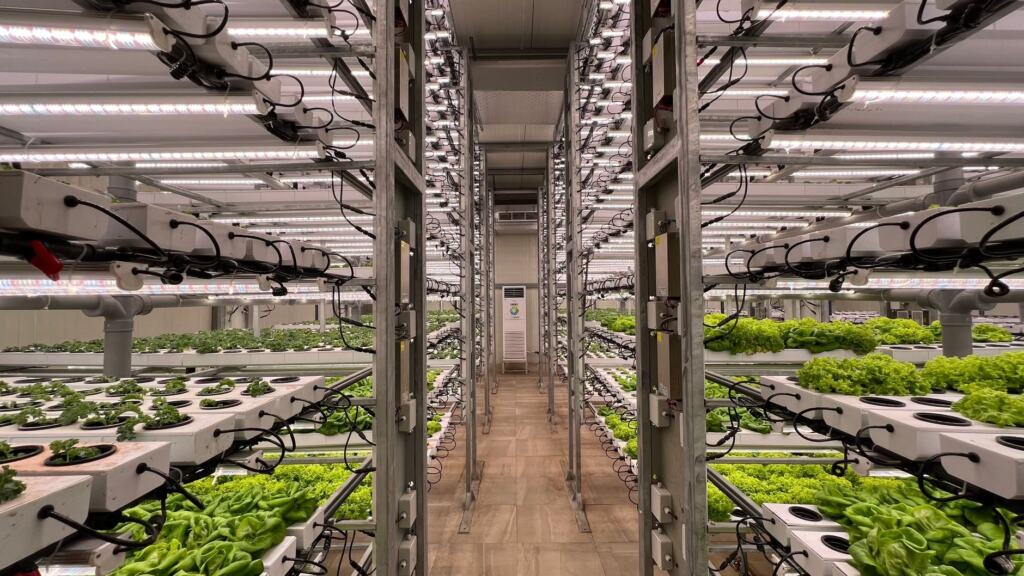
Lighting and climate control are also where indoor farming’s energy use concentrates, so lighting costs belong in your budget from the start. For the wider question of storing clean energy, see Green Hydrogen Storage: Practical Solutions, Safety, And Economics For 2026-Ready Systems – Biolifetechnologies.
How the growing methods work
Vertical systems differ mainly in what the roots sit in. In hydroponics, plants grow without substrate and are supplied only with water and a nutrient solution, as the DIY guide puts it. In hydroponic setups the water is recirculated, which improves efficiency and lowers water consumption, according to a beginner’s guide to vertical farming.
Substrate systems such as stackable pots, troughs and wall-mounted boxes hold plants in a small amount of growing medium. That is simple and familiar, but the small volume dries out quickly, which is why watering frequency matters so much. Controlled indoor setups go a step further: they allow year-round production regardless of outside weather, according to a vertical farming guide. For a home grower, the practical lesson is that the more control you add, the more equipment and energy you take on.
Setting up a small vertical farm
Work through these steps in order, and keep the first build small enough to maintain.
- Choose the site. Pick an accessible, somewhat sheltered wall, balcony corner or indoor spot where you can reach every tier to water and harvest.
- Choose the structure. Decide between a DIY frame, such as gutter pipes, crates or pallets, and a ready-made tower, stackable pots or troughs.
- Add lighting where needed. Fit LED grow lights over lower tiers that the upper layers would shade.
- Plan watering. Decide whether you will water by hand or add drip irrigation, and make the routine easy enough to repeat.
- Plant young plants. Buying young plants that can go straight into the planting pockets or containers skips the sowing stage.
Plants that suit vertical systems
Compact, shallow-rooted and climbing crops do best. The guidance below groups them by how they use the space.
- Starter beds: lettuce, onions, kohlrabi and beetroot are a good mix to begin with, according to the DIY guide.
- Fast, compact leaves: the same guide recommends spinach, lamb’s lettuce, Asian salad greens and radishes. Another overview adds kale to the list of crops that grow very well in vertical setups.
- Climbers and hangers: pole beans, peas, tomatoes and cucumbers suit vertical systems because they climb or hang. Give them the sturdiest part of the structure.
- Herbs: basil, chives, thyme, parsley, cress and marigolds thrive in small spaces.
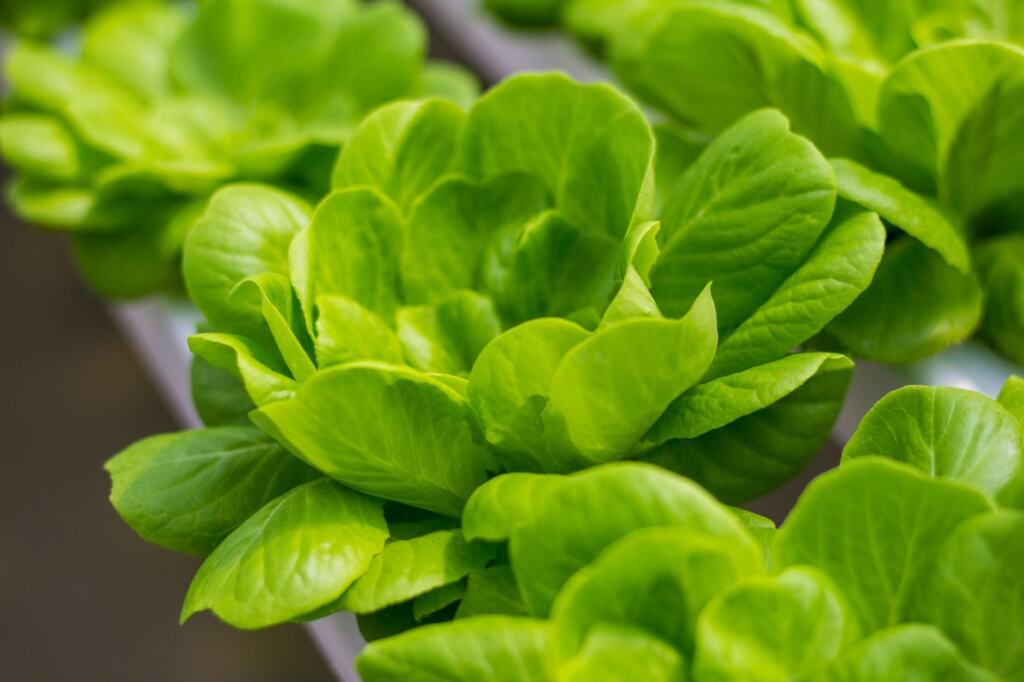
For a first season, a beginner’s guide to vertical farming suggests planting 80 percent greens and 20 percent herbs. That balance keeps most of the system on forgiving leafy crops while giving you a few flavour crops. Add tomatoes or cucumbers only once the watering routine is steady, because climbers put more weight and water demand on the frame.
Keeping crowded layers healthy
Dense, stacked planting leaves less room for air and makes problems harder to see, so inspect the layers regularly. Cut away diseased or infested leaves and fruits promptly, as the DIY guide advises. Check the lower tiers as carefully as the top ones, since shade and moisture gather there. If one tier keeps struggling, look first at light, then at how evenly water is reaching it.
Frequently asked questions
How soon can I harvest from a vertical system?
Fast-turn crops such as lettuce, basil and other herbs usually take up to six weeks to produce, according to a beginner’s guide to vertical farming. Starting from young plants rather than seed shortens the wait.
Can I keep growing through autumn and winter?
Outdoors, a somewhat sheltered wall lets you grow frost-tolerant crops in autumn and winter, per the DIY guide. Indoors, controlled setups can produce year-round regardless of outside weather, though lighting then adds to your energy use.
Do I have to use hydroponics?
No. Hydroponic towers are one option, but stackable pots, troughs, hanging baskets and wall-mounted boxes all hold plants in substrate. Choose hydroponics if you want recirculating water, and substrate if you prefer a simpler, familiar approach.
Is vertical farming at home worth it in a very small space?
It can be, because a vertical system can hold significantly more plants than the same ground area. Keep the build small, grow compact herbs and leafy greens, and add lighting only if the site is shaded.