
Biotechnology vs biomedical engineering comes down to method. Biotechnology uses living systems and biological processes to make products, while biomedical engineering applies engineering to design medical devices. Choose by whether you prefer research-lab biology or device design.
The two fields overlap in healthcare, so the labels blur. If you are still defining the biology side, start with our guide on what is biotechnology, then use the comparison below to test which daily work suits you.
How the two fields work
The clearest difference is the tool each field reaches for first. Biotechnology works with biology itself. Biomedical engineering works with engineering design and points it at human health.
Biotechnology: living systems as the toolkit
According to AHZ Associates, biotechnology uses living systems, organisms and biological processes to create products that improve human life and the environment. The output is therefore a biological product or process rather than a machine. One practitioner’s LinkedIn post adds that biotechnology is broader than biomedical engineering, because it spans plants, animals and microbes in addition to humans. If you are curious about agriculture or the environment as well as medicine, that breadth matters.
One practical consequence is that biotechnology students need comfort with molecular biology. A core technique in that world is DNA amplification, which is covered step by step in How PCR Works: The Step‑By‑Step Guide To DNA Amplification (2026 Explained) – Biolifetechnologies.
Biomedical engineering: design for clinical settings
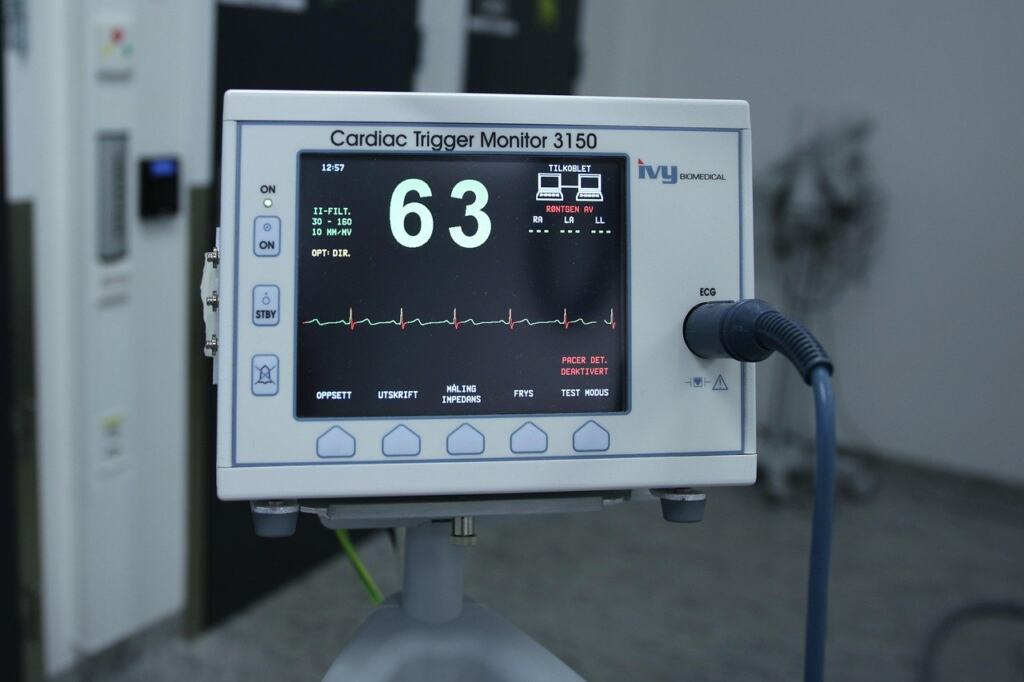
The University of North Dakota’s comparison of bioengineering and biomedical engineering says biomedical engineers design and create medical devices such as prosthetics, implants, imaging systems and diagnostic equipment. UND also states that biomedical engineering is more focused on developing innovative technologies and devices than bioengineering, whose main goal is to apply engineering techniques to biological systems to inform engineering design. In short, the biomedical engineer’s deliverable is usually a device or technology that has to work in a healthcare setting.
Side-by-side comparison
The table turns the descriptions above into factors you can weigh against your own preferences.
| Factor | Biotechnology | Biomedical engineering | Planning use |
|---|---|---|---|
| Core approach | Uses living systems, organisms and biological processes to make products | Designs devices and technologies for healthcare | Pick the approach you would enjoy repeating every day |
| Typical coursework | Genetics, microbiology, molecular biology, bioprocess engineering | Mechanical, electrical and materials engineering combined with anatomy, physiology and medical sciences | Check which list of subjects you would rather study in depth |
| Practical experience | More time in research labs | May spend more time in hospitals and tech labs | Ask programs where their students actually train |
| Typical destinations | Pharmaceuticals, agricultural research, genetic engineering, environmental biotech | Medical device industries, healthcare technology firms, hospitals | Match the sector to the problems you want to work on |
| Salary | Varies by role and country | Varies by role and country | Compare specific roles in your own country rather than whole fields |
These comparisons draw on AHZ Associates’ field comparison and, for the device and healthcare focus, the University of North Dakota.
Degrees and coursework
Both fields are entered through degree programs, but the programs are built differently. Biotechnology programmes usually cover genetics, microbiology, molecular biology and bioprocess engineering. Bioprocess engineering is the part that connects biology to producing something at working scale, so it is worth checking that a program offers it if manufacturing appeals to you.
Biomedical engineering programmes combine mechanical, electrical and materials engineering with anatomy, physiology and medical sciences. That makes the degree an engineering degree first, with a medical layer on top. UND describes the neighbouring bioengineering undergraduate programs as covering biology, chemistry, physics, mathematics and engineering principles, which shows how much math and physics sits underneath this side of the field.
Accreditation as a check on engineering programs
For biomedical engineering, accreditation is a useful quality signal. The University of Vermont’s Bachelor of Science in Biomedical Engineering was granted ABET accreditation, as reported in November 2020, only a few years after the program started in 2016. When you shortlist engineering programs, look up whether each holds ABET accreditation before you apply.
Careers and work settings
Neither field is shown to have better career prospects. The more useful question is which setting you want to work in. AHZ Associates lists pharmaceuticals, agricultural research, genetic engineering and environmental biotech as typical biotechnology destinations. UND adds that bioengineers work in research laboratories in academic institutions, government agencies and private research organizations. Anyone drawn to the genetic side should read Genetic Engineering: What You Need To Know About The Top Benefits And Risks In 2026 – Biolifetechnologies before committing to it as a career direction.
Biomedical engineering graduates typically enter medical device industries, healthcare technology firms and hospitals, and UND says biomedical engineers primarily work in healthcare and medical technology settings. That suggests choosing a program with close clinical ties. The Vermont program, for example, is a quarter mile from its Larner College of Medicine.
Salary is the one comparison to treat cautiously. It varies by role and country, so a field-level ranking is not a sound basis for the decision. Compare the specific job titles and employers you would target.
Choosing a path
Work through these steps in order. Each one narrows the choice using the differences above.

- Name the product you want to help create. A biological product or process points to biotechnology. A prosthetic, implant, imaging system or diagnostic device points to biomedical engineering.
- Check the subjects you would enjoy. Genetics, microbiology and molecular biology favour biotechnology. Mechanical, electrical and materials engineering alongside physiology favour biomedical engineering.
- Picture the workplace. Students who enjoy biology and lab-based research are the natural fit for biotechnology. Students drawn to designing medical devices or working directly in healthcare settings are the natural fit for biomedical engineering.
- Decide how wide you want the field to be. Choose biotechnology if plants, animals and microbes interest you as much as human health. Choose biomedical engineering if human healthcare is the whole point.
- Test the choice before committing. Compare the course lists and the practical placements of the programs you are considering, since the two fields tend to place students in different settings.
Because both fields touch human health, the choice is not irreversible. Treat it as a decision about your first few years of coursework and training, and let the placement type and course list break any tie.
Frequently asked questions
What is the difference between biotechnology and biomedical engineering?
Biotechnology uses living systems and biological processes to create products. Biomedical engineering applies engineering to design healthcare devices such as implants and imaging systems.
What does ABET accredit?
ABET accredits college and university programs in applied and natural science, computing, engineering and engineering technology. That is why it appears on engineering degrees such as biomedical engineering.
Is biotechnology the broader field?
One practitioner’s view is that it is, because biotechnology spans plants, animals and microbes as well as humans, while biomedical engineering centres on human health.
Which has better career prospects?
The evidence points to different destinations, not a winner. Biotechnology leads to pharmaceuticals and agricultural or environmental research, while biomedical engineering leads to device makers, health technology firms and hospitals. Pay varies by role and country.
What degrees do they require?
Both are studied through degree programs with different cores. Biotechnology centres on genetics, microbiology, molecular biology and bioprocess engineering. Biomedical engineering centres on engineering combined with anatomy and physiology.