If you searched tech thehometrotters .com, you are most likely looking for the home technology material on thehometrotters, a general home-and-lifestyle blog. There is no separate tech website; the smart-home and gadget articles sit inside the same site as the decor, repair and safety posts. The steps below show how to locate them and get something useful out of each one.
| You want to | Do this |
|---|---|
| Is there a dedicated tech section? | No, tech pieces are mixed in with Latest Trends and Home Friendly Tech posts |
| Which menu helps most? | Home Safety & Security for locks, cameras and alarms |
| Best article to start with? | The room-by-room guide to useful home technology |
| Is it a store? | No, it is a blog with articles only |
| How to narrow results? | Use the site search with a device name such as thermostat or smart lock |
Step 1: Know what thehometrotters actually is
The site describes itself as a place for home repair, interior design and decor ideas, and its front page tagline talks about turning properties into homes. Its About page speaks to homeowners, renters and DIY fans and mentions a community side with forums. Technology is not in the main menu at all, which is why searches such as tech thehometrotterscom land people on scattered articles rather than a landing page.
Expect plain explainer-style writing. The pieces tend to open with a short promise, give a list of key points, and then work through sections with practical examples. That makes them quick to skim, but it also means you will want to judge each one on its own rather than assuming the whole site shares one standard.
Step 2: Start with the room-by-room guide
The most useful entry point is the article titled A Room-by-Room Guide to Useful Home Technology. It walks through the living room, kitchen, bedroom, home office and general security, suggesting a handful of devices for each space and explaining the trade-offs.
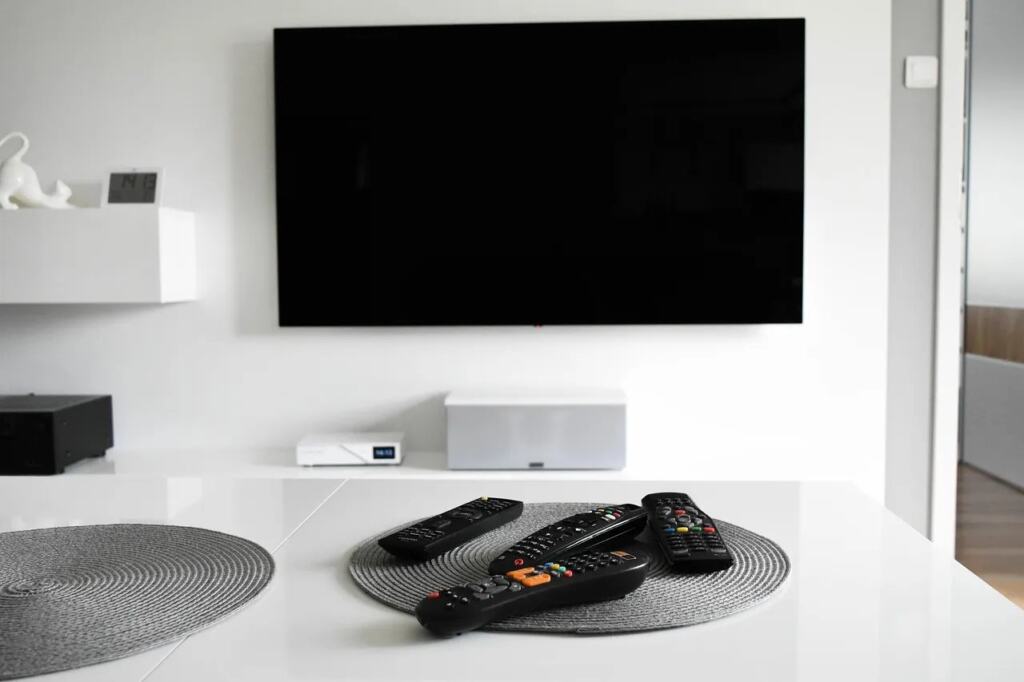
In the living room section the suggestions centre on a smart speaker, a television or streaming box with a built-in assistant, and connected lighting. The kitchen part focuses on appliances and sensors that let you monitor cooking remotely or shut things off automatically. In the bedroom the emphasis shifts to adaptive lighting and thermostats, and the piece mentions limiting how much data goes to the cloud for privacy reasons. The home office section recommends a wired connection and an ergonomic setup, and the security section talks about combining smart locks, cameras and alarms into one system.
Treat it as a checklist rather than a shopping list. Read the room you care about, note the device types, and only then look up specific models elsewhere. The article names a few brands as examples, but it is a general guide, not a tested comparison.
Step 3: Use Home Friendly Tech and the safety menu
The Home Friendly Tech category holds shorter, more product-flavoured posts. One example is an article on AT&T Home Tech, which lists categories of smart living gear such as smart lighting with adjustable brightness and colour, cameras and smart locks, thermostats that learn habits, hubs that act as a central controller, and voice assistants. It reads as a general overview of the category rather than a hands-on report, so use it to learn the vocabulary.
For anything about protecting the house, open Home Safety & Security from the top menu. A piece on securing a home office when working remotely sits in that area, and it is a better fit if your goal is locks, cameras and network habits rather than gadgets for comfort.
Step 4: Search the site for the device you have in mind
Because there is no tech page, the site search is the fastest tool. Search for a device word, not the website name. Words like thermostat, camera, router, speaker or lock pull up the relevant pieces, and you can compare two or three articles that treat the same gadget differently. When ththometech home technology by thehometrotters shows up in a search box, it is usually someone trying to reach exactly this kind of article list.

- Search by device word first, then by room.
- Open two articles on the same device and compare their advice.
- Note any number the article quotes and look for the same figure elsewhere before you rely on it.
- Keep a short list of the devices you already own so you can spot what an article assumes you have.
Step 5: Turn the reading into a plan for your own home
Pick one room and one problem. A common sequence is to fix the network first, since several of the guide sections lean on a reliable connection, then add lighting or a speaker, then move to security. Smart devices work best when they share a single app or assistant, so decide that early, and check that anything you buy works with the phone and speaker you already use.
Start small and add pieces as each one proves useful. A single smart thermostat or a pair of connected bulbs teaches you how setup, scheduling and voice control feel in daily use before you commit to a whole system. If a room does not need automation, skip it; the guide itself frames the upgrades as optional, tailored by room.
A short note on trusting thehometrotters
The site does not name an owner or editor on its About page, and its articles carry rotating bylines. It also publishes a wide spread of unrelated topics, including gambling posts, next to the home content. Read the tech pieces as general guidance, and check any figure that matters to you against a manufacturer page.