Quick answer: the pros and cons of cloning animals come down to purpose. Cloning copies valuable genetics for farming, research and possibly conservation. Against that, success rates are low, some clones have health problems, and results depend on the species.
This explainer follows the process from egg cell to birth and then weighs the outcomes. For the wider field, start with what is biotechnology.
How animal cloning works
Animal cloning usually relies on somatic cell nuclear transfer, which places the DNA of an ordinary body cell into an egg cell. National Geographic Education describes the method as transferring DNA from an animal’s somatic cell into an egg cell that has had its nucleus and DNA removed. The egg then carries the donor’s genetic instructions instead of its own.
- Take a body cell. The donor animal supplies a somatic cell, meaning any non-reproductive cell.
- Empty an egg. Technicians remove the nucleus and DNA from an egg cell.
- Combine them. The donor DNA is moved into the emptied egg, producing an embryo.
- Use a surrogate. The embryo is implanted into an adult female’s uterus to grow, so surrogate mothers are part of every successful clone.
Dolly the sheep showed that this works with adult cells. She was born on 5 July 1996 and was the first mammal cloned from an adult cell rather than an embryo. She weighed 6.6 kg at birth, after a pregnancy of 148 days.
Success rates: what Dolly’s numbers show
The most useful data point for judging cloning is the attrition between attempt and birth. Understanding Animal Research reports that Dolly was the only lamb born from 277 attempts, which is roughly 0.4% of attempts. The table traces where the losses occurred.
| Stage in Dolly’s case | Count | Planning use |
|---|---|---|
| Cell fusions | 277 | Each fusion is an attempt, and most never become embryos that are worth implanting. |
| Early embryos developed and implanted | 29 | Only a small share of fusions reached an implantable stage. |
| Surrogate mothers receiving embryos | 13 | Each implantation uses a live animal, which is why surrogate welfare matters. |
| Full-term pregnancies | 1 | One live lamb resulted from the whole sequence. |
These figures come from Understanding Animal Research’s cloning case study. National Geographic Education gives the count as 276 attempts, so treat the number as roughly 276 to 277 either way.
Dolly’s ratio is a historical benchmark for the first adult-cell clone, not a current rate for every species. National Geographic adds that attempts can fail because genetic mistakes prevent the clone from surviving, but it gives no rate. Anyone planning a cloning project should expect many failed attempts per live birth rather than a reliable per-egg outcome.
Benefits of cloning animals
The case for cloning is strongest where an animal’s genetics are valuable and hard to reproduce by ordinary breeding.
Livestock production
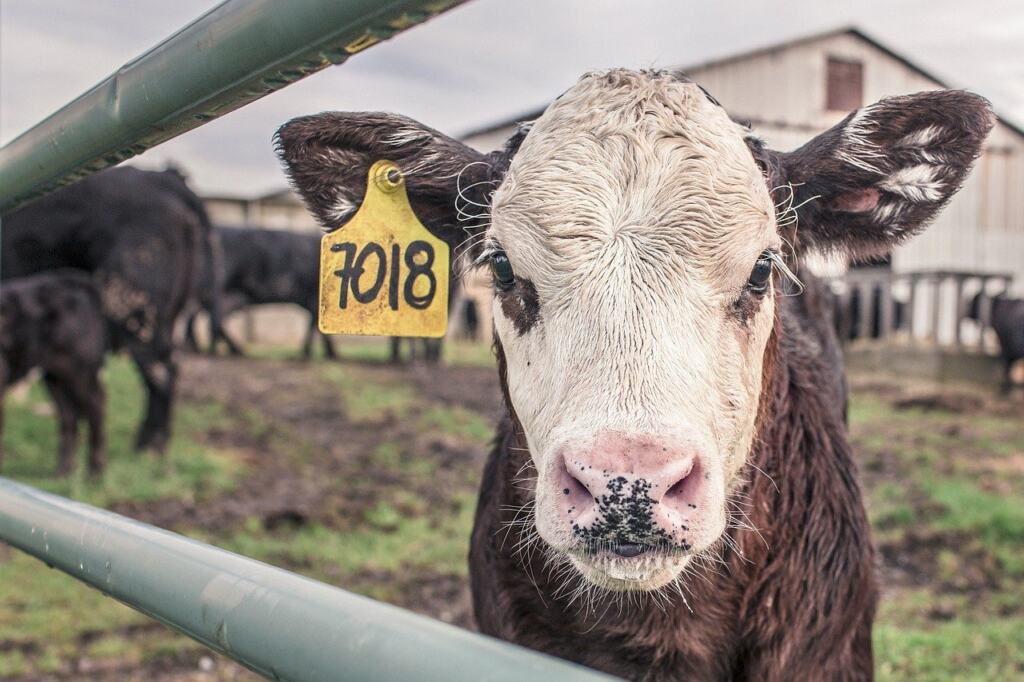
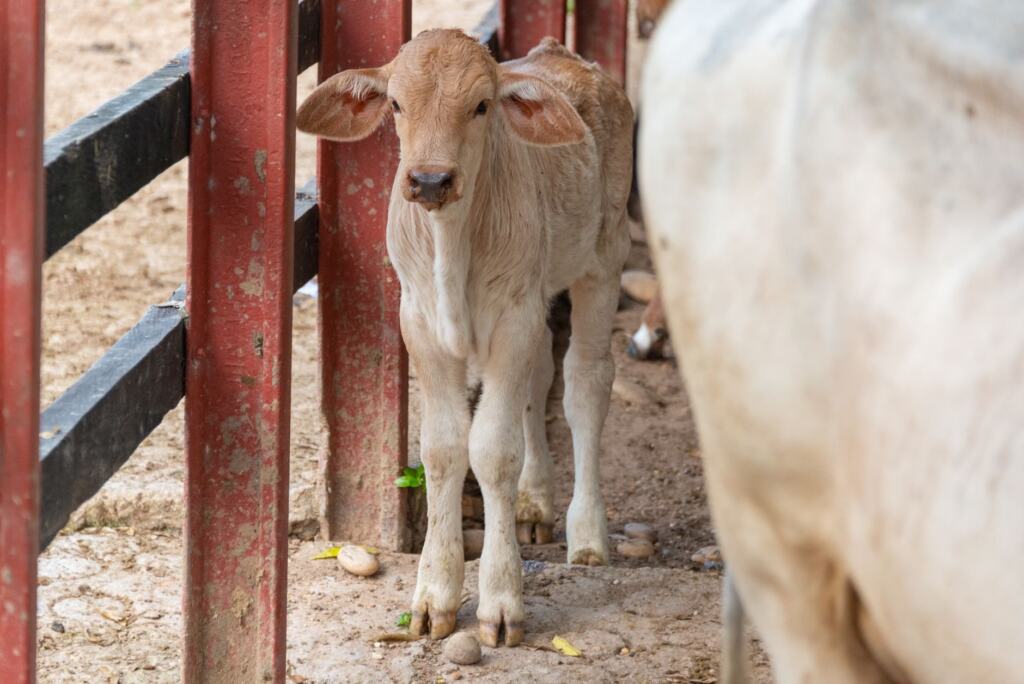
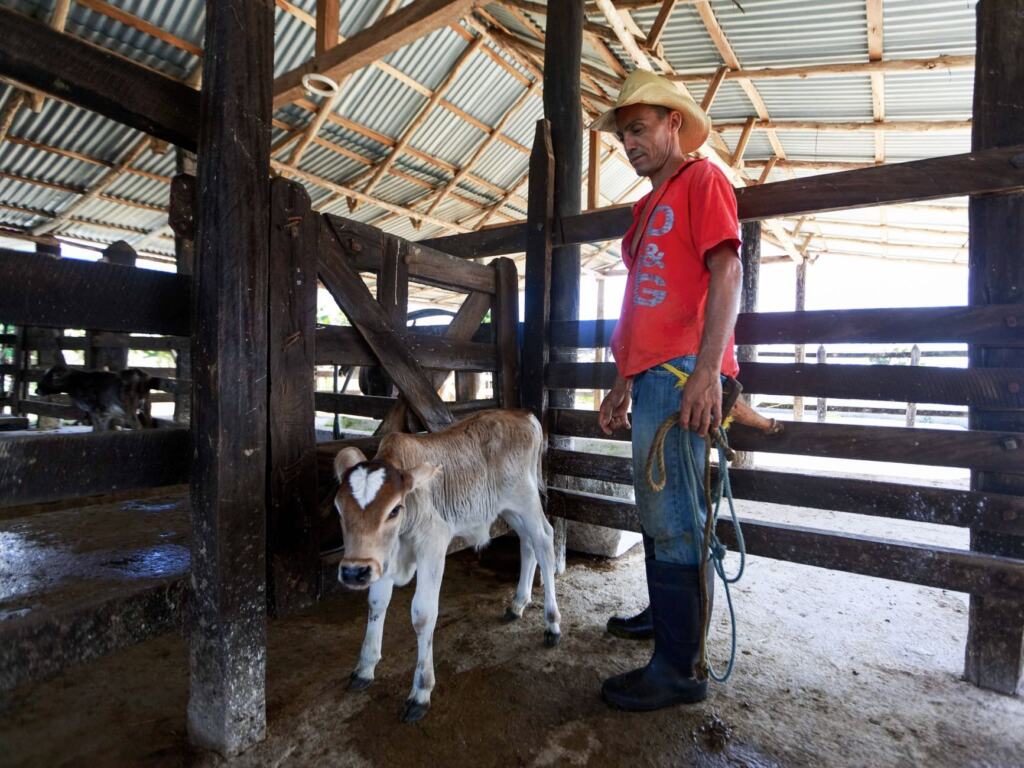
National Geographic notes that livestock like cows and pigs have been cloned to produce more milk or meat. For breeders, livestock cloning is a way to copy an exceptional animal’s genetics. It suits high-value breeding stock, since each clone has to justify a process with many failures behind it.
Medicine and disease research
Researchers can transfer human genes that produce useful proteins into sheep and cows so that the animals make medicines, with Factor IX and alpha-1-antitrypsin cited as examples. Understanding Animal Research also says cloned animals could be developed to produce human antibodies against infectious diseases and cancers. That is a potential application rather than a marketed result. Gene transfer of this kind builds on recombinant dna technology.
National Geographic also notes that animals have been cloned to carry gene mutations that help scientists study diseases. Cloning here makes disease-model animals available.
Companion animals
Cloning has also reached pets. In 2001, a cat named CC became the first pet created through cloning.
Health risks and welfare concerns
The main drawbacks are low efficiency, the burden on animals, and uncertainty about long-term health. Every success needs eggs and surrogate mothers, and Dolly’s funnel shows how many animals are involved for one birth.
Dolly’s later health is the best-known case. She was euthanased on 14 February 2003, aged six and a half. She suffered from arthritis in a hind leg joint and from sheep pulmonary adenomatosis, a virus-induced lung tumour, while sheep can live to 11 or 12. A single animal cannot show whether cloning caused those conditions, so the case is a caution rather than proof. Anyone judging the welfare cost should weigh embryo losses and surrogate burden alongside the health of the clones that survive.
Is meat from cloned animals safe to eat?
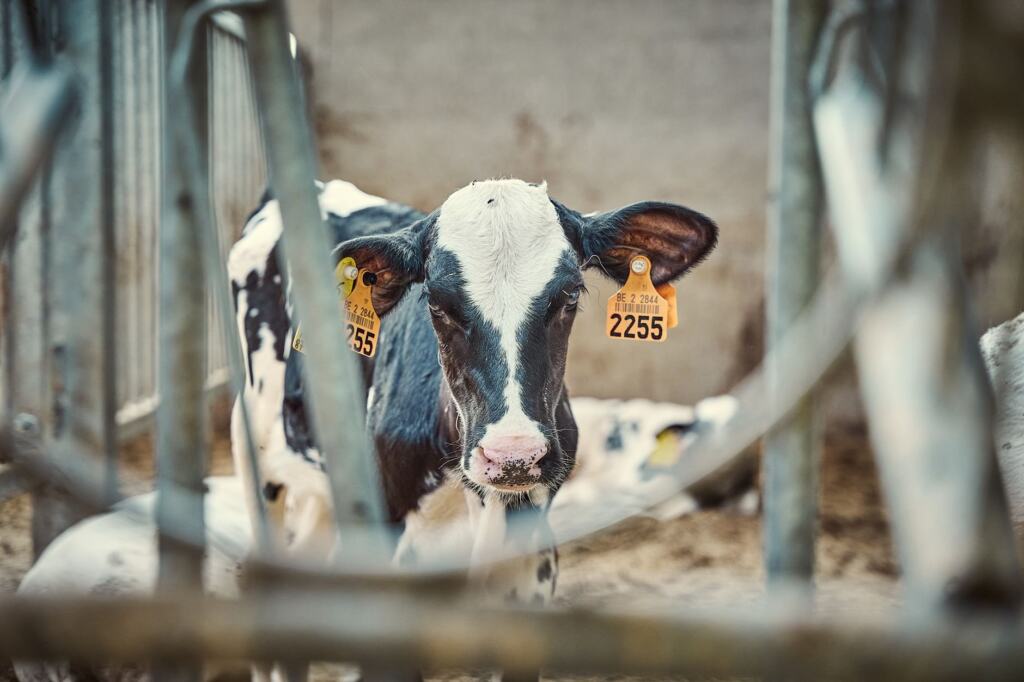
For cattle, pigs and goats, the US regulator says yes. The FDA reports that, based on a final risk assessment written by FDA scientists and issued in January 2008, meat and milk from cow, pig and goat clones, and from the offspring of any animal clones, are as safe as food from conventionally bred animals.
The scope of that finding is specific. It covers those three livestock species and the offspring of any animal clones. It does not extend the safety conclusion to other species.
The finding also followed a cautious period. In 2001 the FDA requested that livestock producers and researchers keep food from animal clones or their offspring out of the food supply while it evaluated safety. The 2008 conclusion came after that evaluation.
Milestones since Dolly
Cloning moved from a single sheep to many species, and the methods became more flexible. Understanding Animal Research notes that other sheep have been cloned from adult cells since Dolly, as have mice, rabbits, horses, donkeys, pigs, goats and cattle.
| Year | Milestone | What it showed |
|---|---|---|
| 1996 | Dolly born | An adult cell can give rise to a cloned mammal. |
| 2001 | CC the cat | Cloning extended to a companion animal. |
| 2004 | Mouse cloned from an olfactory neuron nucleus | A specialised nerve cell nucleus can be used as the donor. |
| 2008 | Mice cloned from tissue frozen for 16 years | Stored tissue can serve as the donor source. |
The milestones are drawn from Understanding Animal Research and National Geographic Education. The frozen-tissue result is the one that matters most for rare genetics, because it shows that cells banked in advance can still be used later.
Can cloning save endangered species?
Cloning could help, but the evidence here shows potential rather than a demonstrated rescue. Understanding Animal Research says cloning could even enhance biodiversity by ensuring the continuation of rare breeds and endangered species. The wording is conditional.
The practical limits follow from the numbers above. A rare species needs eggs and surrogate mothers, and cloning has so far produced very few live births per attempt. The 16-year frozen tissue result suggests that banking cells from rare animals now could keep options open. Cloning works best as a supplement to protecting living populations and habitats, not as a replacement for them.
Weighing the pros and cons
Match the technique to the goal. Cloning suits cases where one genotype is worth the cost: elite breeding stock, disease-model animals and protein-producing animals. It is a weak choice where numbers matter, because each live birth sits on top of many failed attempts and a surrogate animal’s pregnancy.
- Favours cloning: a unique or high-value genotype, a research need for animals carrying a specific mutation, or cells already banked from a rare animal.
- Favours another route: goals that need many animals cheaply, or cases where ordinary breeding already delivers the trait.
- Regulatory comfort: for cattle, pigs and goats, the FDA’s assessment addresses food safety directly, so the question is mostly welfare and economics rather than the safety of the meat and milk.
Molecular tools are used across these workflows. For a related lab method, see How Digital PCR Works: A Clear, Practical Guide for 2026 – Biolifetechnologies.
Frequently asked questions
Is a cloned animal an exact copy of the donor?
Not completely. Dolly inherited her mitochondrial DNA from the donor egg cell, so Understanding Animal Research says she was not a completely identical copy.
Is cloning for research regulated in the UK?
Yes. Cloning for research or medical purposes must be approved by the Home Office under the strict controls of the Animals (Scientific Procedures) Act 1986, according to Understanding Animal Research.
Which animals have been cloned from adult cells?
After Dolly, adult-cell cloning has been reported in more sheep, mice, rabbits, horses, donkeys, pigs, goats and cattle.