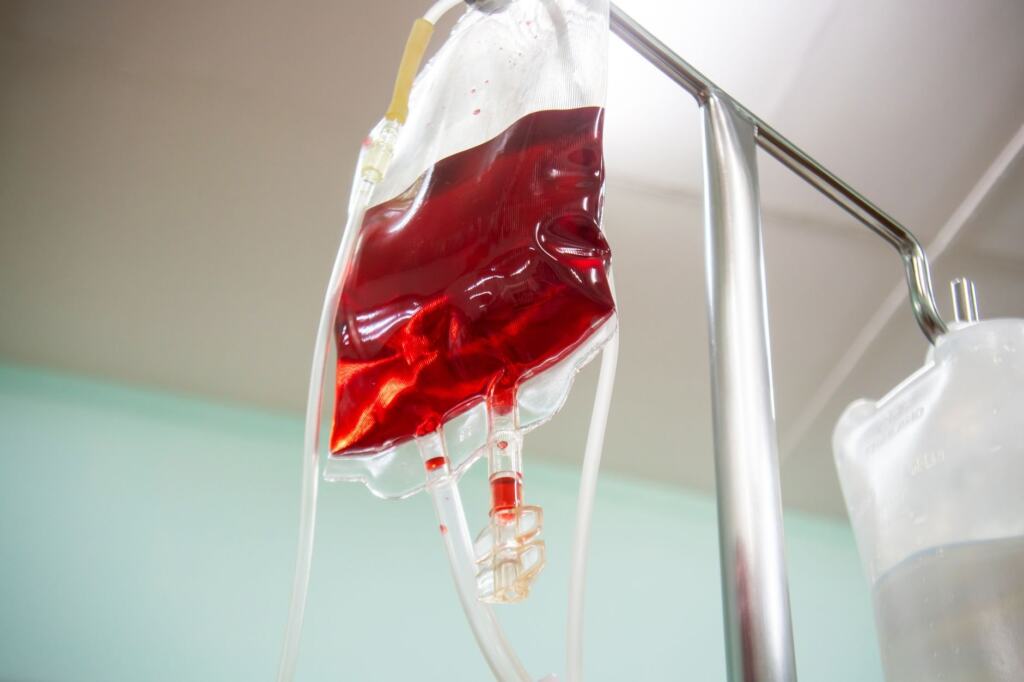
A clinic collects a patient’s cells, and the dose that returns is made from them. The cell and gene therapy supply chain therefore runs as a loop for autologous products, with identity and temperature controlled at every handoff.
That loop is one corner of the wider question of how is biotechnology used in medicine. The sections below correct the most common assumptions about how these therapies move, starting with the comparison to ordinary drug distribution.
Where the supply chain departs from standard pharma
The usual assumption is that a cell or gene therapy ships like any specialty drug: make a batch, hold it, deliver on order. A sponsored industry article on BioPharma Dive states that CGT supply chains are unlike any other in the pharmaceutical industry and describes the steps as specialized and time-sensitive. World Courier gives the underlying reason: unlike traditional pharmaceuticals, these therapies often rely on living biological materials or genetically modified cells.
- Misunderstanding: the product is a stable commodity. Living cells have viability and potency to protect, so handling that suits a tablet or a vial does not carry over automatically.
- Misunderstanding: a late step only costs time. Collection, manufacturing and shipment are scheduled together, so a change at one handoff has to be reconciled with the others.
- Misunderstanding: every product follows the same route. Autologous and allogeneic therapies place different demands on the chain, as the comparison below shows.
Autologous and allogeneic routes compared
Many cell and gene therapies are derived from a patient’s own cells. Others are allogeneic and can be manufactured in bulk. The distinction changes what the chain must protect.
| Aspect | Autologous | Allogeneic |
|---|---|---|
| Starting material | Derived from the patient’s own cells | Not built from the recipient’s own cells |
| Production pattern | A personalized treatment for a single patient | Can be manufactured in bulk |
| Main handling concern | Careful tracking and handling to maintain the integrity of the personalized treatment | Additional measures may be needed to mitigate the risk of immune rejection |
The comparison draws on World Courier’s commercialization overview and the BioPharma Dive supply chain article.
For autologous programs, scheduling is the practical hinge. The BioPharma Dive article lists arranging the collection start date, manufacturing slots, and shipment pickup and delivery as a coordinating task. Treat those as a single plan rather than three separate bookings, because each depends on the others. Allogeneic programs trade some of that scheduling pressure for the immune-compatibility question, so the two models should not share one logistics template.
Chain of identity and chain of custody
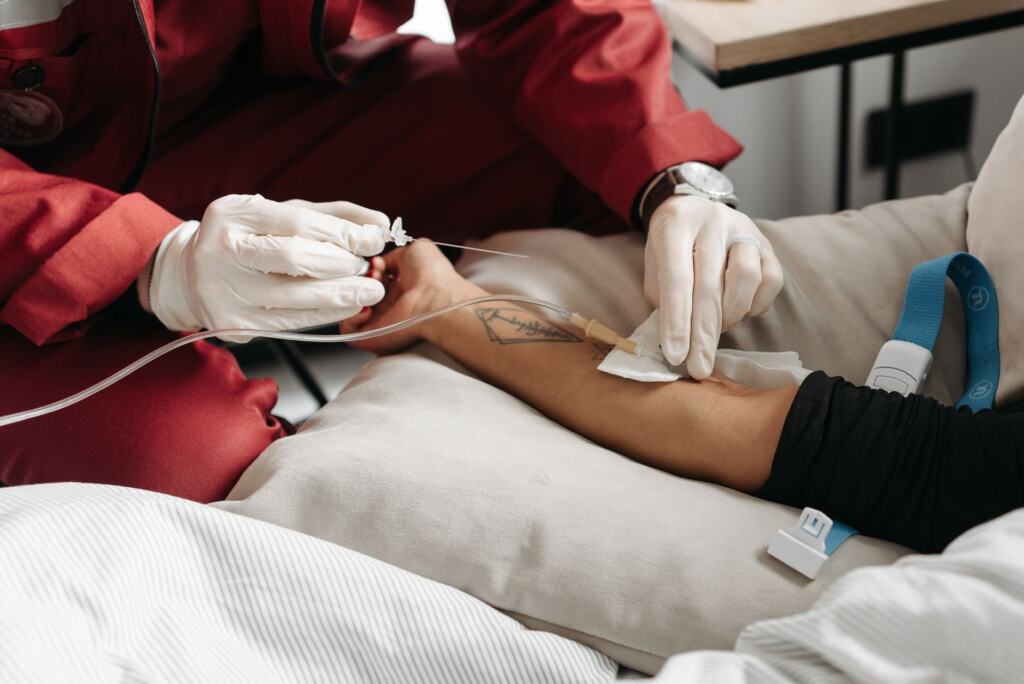
Chain of identity matters because it ensures the right treatment reaches the right patient. BioPharma Dive describes the purpose of chain of identity and chain of custody as maintaining the authenticity and traceability of the therapy. World Courier adds that rigorous tracking of both is needed for each unique therapy.
- Identity is not custody. Chain of identity ties each unit to the patient it came from and will return to. Chain of custody records who held the unit at each handoff. A shipment can have a clean custody log and still carry an identity error if the link to the patient was broken at collection.
- A label alone is not a chain. Rigorous tracking is the stated requirement, which means a continuous record rather than a marking applied once. Keep location history and the patient link in the same record so they cannot drift apart.
- There is no spare unit. Because an autologous dose is personalized, no interchangeable product can stand in if a mix-up occurs. That is why identity checks deserve the same priority as temperature checks.
Keeping cells cold in transit
Cell therapies are kept cold with cryogenic storage and transport, backed by packaging and monitoring built for the purpose. World Courier notes that many of these therapies require cryogenic transportation and storage to maintain the viability and potency of living cells, and that even minor deviations can compromise that viability and potency.
Cryopreservation and cryogenic storage
Cryopreservation is the freezing of cells for storage and transport. Suppliers market the step as standardized, controlled-rate freezing: Cell & Gene’s sourcing center lists it as a service for all cell types. A logistics provider, Cencora, reports that it was the first full-service specialty pharmaceutical and third-party logistics company to pioneer a cryogenic storage solution for these therapies. Both are vendor statements, so use them as a map of what services exist rather than as proof of performance.
A common misunderstanding is that any cold box or refrigerated vehicle will do. The supplied evidence gives no single temperature range, and a universal figure would be misleading. Confirm the storage and transport condition for the specific product, then choose packaging validated for the full transit time.
Packaging, monitoring and tracking
The BioPharma Dive article recommends advanced cold chain logistics, naming temperature-controlled packaging, real-time temperature monitoring and GPS-enabled tracking. Real-time monitoring is the part that changes outcomes. Since minor deviations can matter, a record read only after arrival documents a problem but cannot prevent it. A live signal gives the team a chance to act while the shipment is still moving.
From collection to infusion: the sequence and example timelines
The journey from a patient’s collection to the return infusion is often called vein-to-vein time. For an autologous therapy it follows a fixed order, and each step passes control to a different party.
- Plan the slots. Arrange the collection start date, the manufacturing slot, and shipment pickup and delivery together.
- Collect and identify. Collect the patient’s cells and attach the identity record that must follow the material from this point on.
- Ship the starting material. Move it to the manufacturer under controlled conditions with its custody log.
- Manufacture and preserve. Produce the therapy and, where the product requires it, cryopreserve it for cryogenic transport.
- Return the finished product. Ship it in monitored, validated packaging to the treating site.
- Confirm before infusion. Check that the product matches the patient before it is given.
The only timeline figures in the supplied evidence are vendor-reported delivery times. In a case study described by BioPharma Dive’s sponsored article, delivery on the USA-Australia corridor fell from 10 days to 52 hours, a 79% reduction. The USA-Europe corridor fell from 5 days to 43 hours, a 64% improvement. These cover transport legs, not the full vein-to-vein interval, and they come from a single provider’s program. Read them as evidence that lane design can change transit time substantially, not as a benchmark for your own program.
Regulation, validation and tracking
Regulatory standards apply to every part of the chain, not just to manufacturing. BioPharma Dive frames the task as ensuring that all aspects of the supply chain adhere to regulatory standards. World Courier calls navigating intricate CGT regulatory requirements crucial for product quality, safety and compliance.
The practical reading is that packaging, transport, storage and tracking all sit inside the compliance boundary. A courier or storage partner is not outside it. The evidence names no single governing rule, so confirm with the regulator overseeing the product, such as the FDA for a US program, which requirements apply to each handoff. For tracking, the requirement that carries across the evidence is rigorous chain of identity and chain of custody records for each unique therapy.
Supplier credentials deserve a careful read. One supplier listing describes a clean room facility as ISO 13485 certified and FDA registered. That is a vendor claim about a facility. Treat it as a prompt to request the underlying documentation and check that it covers the service you intend to buy.
Related reading
Digital tracking and monitoring tools sit within a wider shift in clinical technology, which our guide AI In Healthcare Tools: 7 Game-Changing Applications And How To Use Them In 2026 – Biolifetechnologies explores. Patient-specific biology also drives another workflow, covered in Patient-Derived Organoids: How Lab-Grown Mini-Organs Are Transforming Personalized Cancer Care – Biolifetechnologies.
Frequently asked questions
| Question | Answer |
|---|---|
| Does a shorter delivery time mean a shorter vein-to-vein time? | Not by itself. Vein-to-vein time spans collection, manufacturing and return. The reported corridor reductions apply only to delivery legs, so manufacturing and scheduling time sit outside those figures. |
| What is a mock shipment? | It is a trial run used to pressure test a primary lane before live product moves. The BioPharma Dive article lists it alongside backup routes as part of program onboarding. |
| Why is cryopreservation part of the supply chain and not just manufacturing? | Many of these therapies need cryogenic transport and storage to keep living cells viable and potent. Freezing and cold storage therefore shape packaging, carrier choice and monitoring downstream. |