| Biotech method | What it does | Milestone or status | Planning use |
|---|---|---|---|
| Monoclonal antibodies | Lab-produced molecules that restore, enhance or mimic the immune system’s attack on cancer cells | Studied since the 1970s; now a standard treatment for serious illnesses | Start here when the question is treating cancer or another serious illness |
| Recombinant insulin | Human insulin produced by recombinant microorganisms | First FDA-approved GMO, in 1982 | The oldest template for a biotech medicine and the easiest to understand |
| Gene therapy (Luxturna) | Delivers a normal copy of the RPE65 gene into retinal cells | First directly administered gene therapy in the U.S., approved December 2017, for a rare inherited form of blindness | Relevant when a single inherited gene fault is the cause of disease |
| CAR T-cell therapy | A cell therapy for certain blood cancers | Approved for certain children and young adults with acute lymphoblastic leukemia | Check that the patient fits the approved group before assuming eligibility |
| mRNA vaccines | Give cells a blueprint to make the antigen themselves | In research and development for over thirty years, as of a 2025 article | Start here for prevention and for fast-moving outbreak response |
| Direct-to-consumer genome sequencing | Lab-produced sequencing tests sold to the public by private companies for ancestry and disease susceptibility | Available without a specialist referral | Treat as a starting point for questions, not as a diagnosis |
Figures and descriptions in this table come from Campbellsville University’s overview of medical biotechnology and an Immunologic explainer on mRNA vaccines.
How is biotechnology used in medicine? Medical biotechnology uses living cells and cell materials to research and produce pharmaceutical and diagnostic products, from antibody drugs and gene therapies to vaccines and genetic tests.
The sections below group those tools by what a patient is trying to do: treat, prevent, test or tailor care. Each section says who the tool suits and what to check before relying on it. For a wider catalogue of applications, see Medical Biotechnology In Action: 12 Real-World Examples Transforming Healthcare In 2026 – Biolifetechnologies.
Choosing where to start
The right entry point depends on the problem in front of you, because each biotech method answers a different medical question. Medical biotechnology is defined by Campbellsville University as the use of living cells and cell materials to research and produce pharmaceutical and diagnostic products. That definition covers both medicines and tests, so it helps to sort by purpose.
- Treating a serious illness. Monoclonal antibodies and cell therapies are the main routes. Read the antibody and CAR T sections below, then ask a specialist whether your diagnosis matches an approved use.
- Treating an inherited condition. Gene therapy aims at the underlying gene fault. If you want the fundamentals first, start with What Is Gene Therapy? A Clear Guide To How It Works, Risks, And Real-World Uses (2026) – Biolifetechnologies.
- Preventing infection. Vaccines are the biotech tool here, and mRNA is only one of several technologies. The types of vaccines differ in how they present the target to the immune system.
- Finding out your risk or catching disease early. Genetic tests, biomarkers and molecular diagnostics fit here. Begin with the testing section, because the value of a result depends on what the test was designed to answer.
- Tailoring care to one person. Personalized medicine is a way of using these tools together rather than a separate product, and it gets its own section.
If you are unsure, choose by purpose first and technology second. A reader with an inherited eye disease and a reader planning a vaccination are using biotechnology in very different ways, and the questions worth asking differ accordingly.
Biologic drugs: insulin and monoclonal antibodies
Biologic drugs are medicines made by living systems rather than assembled purely by chemical synthesis. Two of the best-established examples are recombinant insulin and monoclonal antibodies, and both show how biotechnology turns a biological mechanism into a routine treatment.
Recombinant insulin
Human insulin produced by recombinant microorganisms was, according to Immunologic, the very first FDA-approved GMO, back in 1982. The date matters for planning because it shows that biotech medicines are not a new experiment. They have a long record of regulatory review and clinical use. The production process, from the gene to the finished vial, is walked through in how is insulin made.
Monoclonal antibodies
According to Campbellsville University, monoclonal antibodies are lab-produced molecules that act as engineered substitute antibodies, able to restore, enhance or mimic the immune system’s attack on cancer cells. Researchers began studying them in the 1970s, and they are now a standard treatment for serious illnesses. The same source says monoclonal antibody treatment has fewer side effects than traditional chemotherapy. That is a general comparison rather than a rate, so it should shape the conversation with an oncologist, not replace the drug-specific risk information in the product’s labeling.
This group suits readers who want to understand why a specialist might propose a targeted antibody rather than conventional chemotherapy. It does not suit readers looking for a single answer across cancers, because each antibody is made for a specific target and an approved use.
Vaccines: mRNA and other platforms
Vaccines are the most visible preventive use of biotechnology. Platforms differ in how they present the target to the immune system, and the choice among them affects how quickly a vaccine can be created.
How mRNA vaccines work
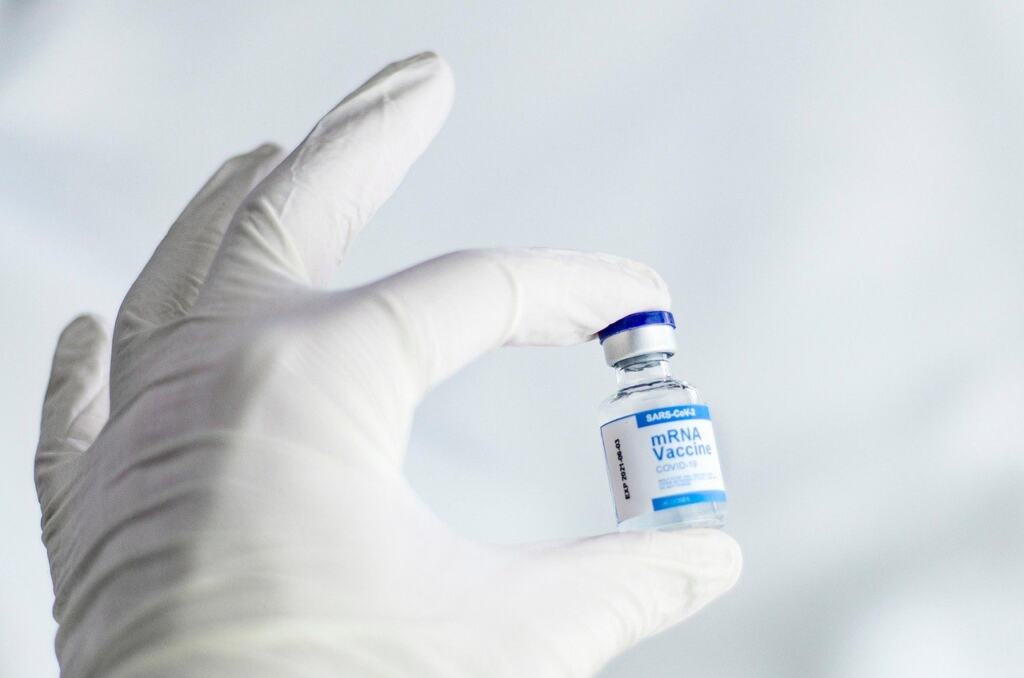
An mRNA vaccine delivers the instructions, not the antigen itself. As Immunologic describes it, the mRNA is the blueprint for our cells to produce the antigen themselves. After vaccination, cells take up the mRNA, produce spike protein and present it to the immune system. The mRNA is a short-lived intermediate used as a message relay, and it rapidly degrades after ribosomes use it to make protein.
Two practical points follow from that sequence. The immune system is trained on a protein that the body’s own cells make, and the messenger does not persist. The speed advantage is also supported: Mantell Associates notes that recombinant DNA technology and mRNA-based platforms allow the swift creation of vaccines.
Other vaccine technologies
mRNA sits alongside older approaches. Immunologic lists attenuated vaccines, which use a weakened form of the pathogen, along with inactivated, subunit, toxoid and mRNA vaccines. If you are comparing vaccines, the useful question is which platform a particular product uses and why, not which platform is best in general. The explanation of how each is developed is in the guide to types of vaccines.
Gene and cell therapies
Gene and cell therapies aim at the cause of disease rather than its symptoms. Mantell Associates describes gene therapy, cell therapy and RNA-based treatments as innovations that target root causes in genetic and cancer disease. The two approved examples below show what that means in practice.
Luxturna for inherited blindness
In December 2017, the U.S. Food and Drug Administration approved a gene therapy that Campbellsville University identifies as the first directly administered gene therapy in the U.S. It treats a rare inherited form of blindness by delivering a normal copy of the RPE65 gene directly into retinal cells. The mechanism is simple to state: the faulty gene is the problem, so a working copy goes to the cells that need it.
This approach suits conditions where one gene fault is the clear cause and the target tissue can be reached directly. It is a poor model for conditions driven by many factors at once.
CAR T-cell therapy
The same Campbellsville overview reports that the FDA approved CAR T-cell therapy for certain children and young adults with a type of acute lymphoblastic leukemia. The phrase “certain” is the planning point. Approval attaches to a defined patient group, so a family should confirm with the treating team that the specific diagnosis and age fit that group before assuming access.
Practical questions after approval
An approval answers whether a therapy may be used. It does not settle how it reaches patients reliably or what it costs. Those two questions are covered in Building Reliable Cell & Gene Therapy Supply Chains: Critical Strategies For Safe, Scalable Delivery In 2026 – Biolifetechnologies and How Much Does Gene Therapy Cost? A Practical 2026 Cost Guide For Patients And Families – Biolifetechnologies.
Readers who want the delivery-vehicle side of gene therapy can continue with AAV Gene Therapy: What It Is, How It Works, and What Patients Need To Know In 2026 – Biolifetechnologies. For the broader field, including risks and where it is heading, see Cell and Gene Therapy Explained: Breakthrough Treatments, Risks, and The Road Ahead (2026) – Biolifetechnologies. Stem cell work raises its own ethical and scientific trade-offs, weighed in Stem Cell Research Explained: Weighing The Pros And Cons In 2026 – Biolifetechnologies.
Genetic testing and diagnostics
Diagnostics use biotechnology to read biological signals, and genetic testing reads the DNA itself. Two developments frame the field: the mapping of human DNA and the arrival of commercial sequencing tests.
From chromosome 22 to consumer tests
According to Campbellsville University, researchers in 1999 mapped the entire DNA sequence of human chromosome 22, the first full human chromosome mapped. Private companies now provide the public with lab-produced genome sequencing tests, which the same source describes as covering ancestry and disease susceptibility.
Those two purposes are different questions. An ancestry result and a susceptibility result are not interchangeable, and susceptibility describes risk, which is a different thing from a diagnosis. If a result points toward a health concern, take it to a clinician rather than acting on it alone. Before buying any test, ask for the performance data for that specific test, since accuracy depends on what is being measured and how.
Biomarkers and molecular diagnostics
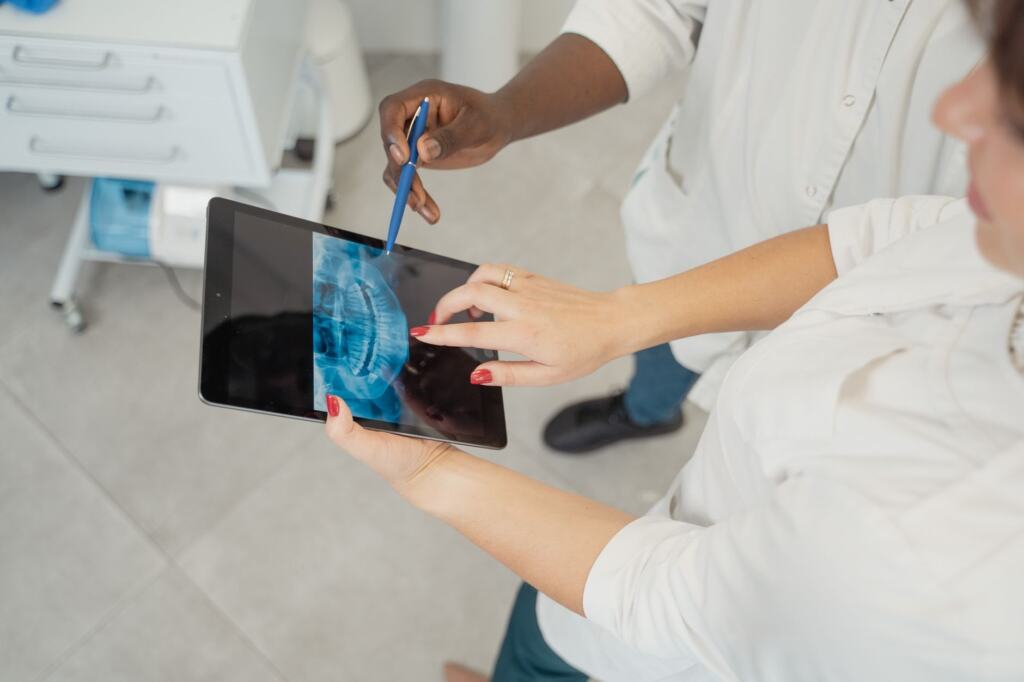
Mantell Associates says biomarkers and molecular diagnostics give clinicians more accurate and earlier disease detection methods. The claim is directional. It supports the value of these tools in principle without giving a percentage, so treat any single accuracy figure as belonging to one named test in one named setting. An explanation of what these markers are and how they are measured is in what is a biomarker.
Comparing the two routes
| Diagnostic route | What it reads | What is supported | Planning use |
|---|---|---|---|
| Direct-to-consumer genome sequencing | The genome, via lab-produced sequencing offered by private companies | Offered for ancestry and disease susceptibility | Suits curiosity about ancestry or risk; follow up any health finding with a clinician |
| Biomarkers and molecular diagnostics | Biological markers of disease used by clinicians | More accurate and earlier detection than older methods | Suits a clinician-led work-up where the question is whether a disease is present |
| Whole-chromosome mapping | The entire DNA sequence of a chromosome | Human chromosome 22 mapped in 1999 | Background that explains why sequencing-based tests exist |
The comparison draws on Campbellsville University for sequencing and mapping and on Mantell Associates for biomarkers and molecular diagnostics.

Personalized medicine
Personalized medicine means choosing a treatment based on an individual rather than an average patient. Mantell Associates states that biotechnology enables treatments and therapies based on a person’s genetic makeup, lifestyle and medical history. The three inputs differ in kind: genetics is measured by tests, while lifestyle and medical history come from the clinical conversation.
That makes personalized medicine a way of combining the tools above, not a separate product. A genetic or molecular test can narrow the options, a therapy can then be chosen to fit them, and the person’s history keeps the decision realistic. It suits patients whose condition has a measurable biological driver. It adds little when no such driver is known.
One research route toward tailoring is growing a patient’s own tissue in the lab, explored in Patient-Derived Organoids: How Lab-Grown Mini-Organs Are Transforming Personalized Cancer Care – Biolifetechnologies.
Software and monitoring around biotech care
Biotech products reach patients through care systems, and software increasingly sits alongside them. These pointers help you choose where to read next, depending on the layer of care that interests you.
- Monitoring at home. If you want to understand the hardware, read Remote Patient Monitoring Devices: The Practical Guide To Benefits, Types, And Adoption In 2026 – Biolifetechnologies. If you are weighing systems that collect and manage the data, read Remote Patient Monitoring Platforms: How To Choose, Implement, And Measure ROI In 2026 – Biolifetechnologies.
- Remote visits. Terms are often used interchangeably, so Telemedicine vs. Telehealth: What’s The Difference And Which One Should You Use In 2026? – Biolifetechnologies is the place to settle the vocabulary.
- AI in diagnosis and care. Start with AI And Deep Learning In Healthcare: Transforming Diagnosis, Care, And Outcomes In 2026 – Biolifetechnologies, then move to AI In Healthcare Tools: 7 Game-Changing Applications And How To Use Them In 2026 – Biolifetechnologies for applications, or AI And Big Data In Healthcare: How Smart Data Is Transforming Patient Care In 2026 – Biolifetechnologies for the data side.
- Assistants and generated content. Voice and chat tools are covered in Conversational AI In Healthcare: How Voice And Chat Assistants Are Transforming Patient Care In 2026 – Biolifetechnologies, and text and image generation in Generative AI Use Cases In Healthcare: 7 High-Impact Applications For 2026 – Biolifetechnologies.
- Evidence, ethics and outlook. For numbers, read AI In Healthcare Statistics: Key Trends, Impact, And What 2026 Data Reveals – Biolifetechnologies. For the responsibilities that come with these tools, read AI In Healthcare: Navigating Ethical Challenges For Clinicians, Patients, And Policymakers (2026 Guide) – Biolifetechnologies. For direction of travel, read The Future Of AI In Healthcare: Transformations, Challenges, And What To Expect By 2030 – Biolifetechnologies.
Reading approval and accuracy claims
Three habits make biotech claims easier to judge, and each follows from the facts above.
- Match the approval to the patient group. The gene therapy approval in December 2017 is for a rare inherited form of blindness, and the CAR T-cell approval is for certain children and young adults with acute lymphoblastic leukemia. An approval for one population is not a general endorsement.
- Separate qualitative from quantitative claims. Statements such as fewer side effects than chemotherapy, or more accurate and earlier detection, describe direction. When a decision depends on a number, ask for the figure for the specific product or test, and read it in the regulator’s product information.
- Ask what question a test answers. Ancestry, disease susceptibility and clinical diagnosis are different questions. A result is only as useful as its fit to the one you actually have.
For patients, regulator pages such as those of the FDA and EMA are the right place to confirm what a product is approved for. Your clinician can explain how that approval applies to you.
Frequently asked questions
How long has mRNA vaccine technology been in development?
According to a 2025 article from Immunologic, mRNA technology has been in research and development for over thirty years. Its pioneers were recognised with the 2023 Nobel Prize in Medicine.
Which diseases are mRNA vaccines being developed for besides COVID-19?
As reported in March 2025, mRNA vaccines are in development for norovirus, influenza, mpox and Epstein-Barr virus, and for cancers including pancreatic, small cell lung and melanoma, per Immunologic. In development means not yet approved for those uses.
Is an mRNA vaccine the same as a gene therapy?
No. An mRNA vaccine supplies a short-lived message that cells use to make an antigen and that rapidly degrades afterwards. A gene therapy such as Luxturna delivers a normal copy of a gene into target cells to correct a fault, according to Campbellsville University.
Can biotechnology tailor treatment to one person?
Yes, within limits. Mantell Associates says biotechnology supports treatments based on genetic makeup, lifestyle and medical history, but the benefit depends on whether a measurable biological driver exists for the condition.